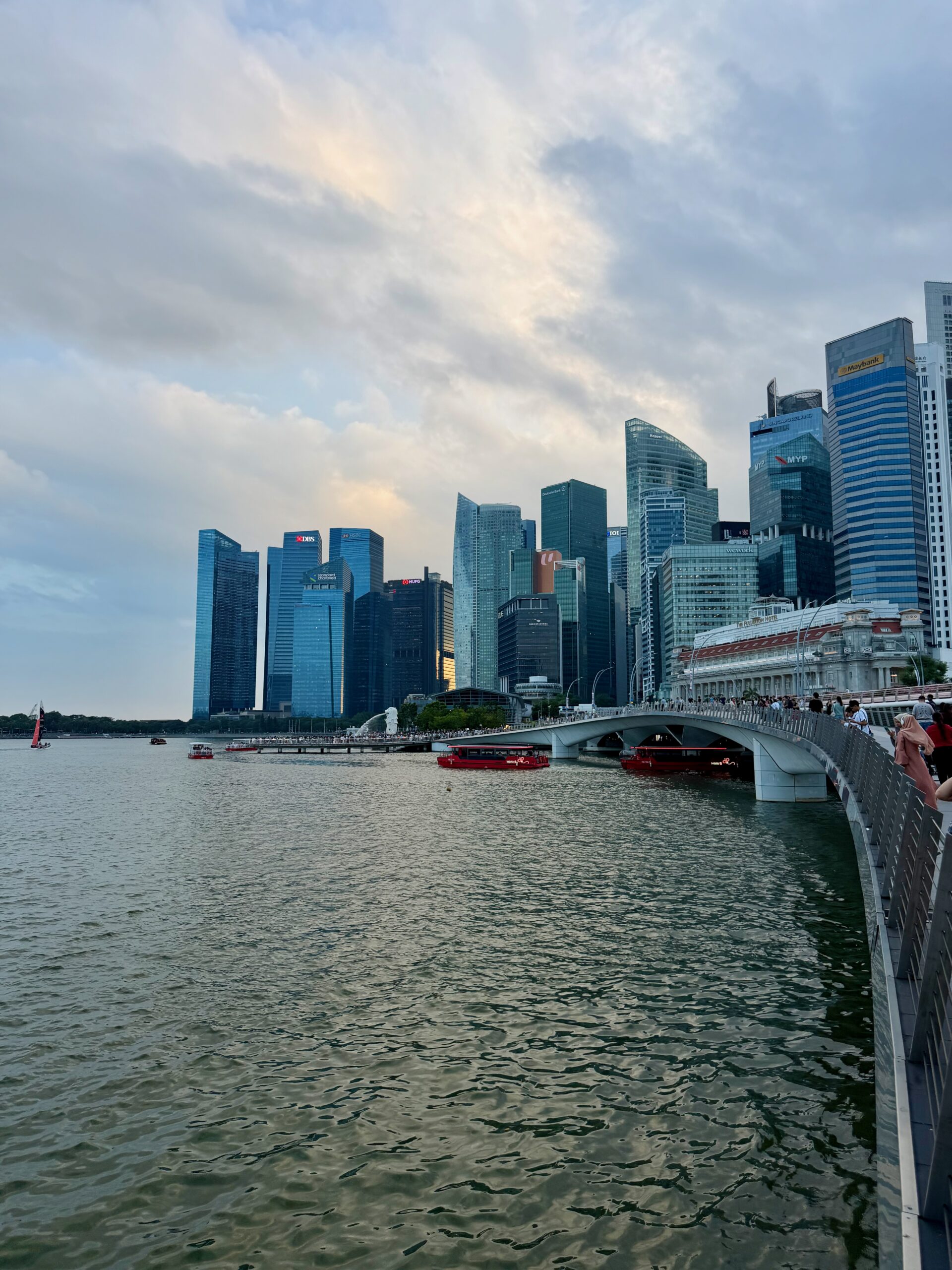
Singapore was the last stop on a longer Southeast Asia trip, after Vietnam and Thailand, and it’s the one I’d push back on a little. The city is hyped as a must-do, but coming straight from Hanoi and Saigon, it felt closer to a well-run American city than to the rest of the region: western brands, western stores, the same glass-tower layout, and prices to match. None of that makes it a bad place to visit. It makes it a very good two-night stop and a hard one to justify stretching much longer.
This is an honest first-timer’s guide to Singapore in two nights: where to base yourself, how to move around, what’s worth your money and what isn’t, and why I’d treat it as a polished layover — ideally bolted onto a longer trip, or a stop on the way to or from Australia or New Zealand — rather than a destination in itself. We flew on from here in Etihad business class, if you’re routing onward, and arrived from our three nights in Saigon.
Singapore After Vietnam and Thailand
It’s worth saying plainly, because so much travel writing won’t: after two weeks in Vietnam and Thailand, Singapore underwhelmed me. The things that make it famous — order, cleanliness, efficiency — are real, but they also make it feel familiar rather than foreign. You find the same western brands and the same kind of city you’d find anywhere wealthy, at a similar cost. As a frictionless reset at the end of a messier trip, that’s genuinely pleasant. As a reason to spend four or five days, it’s a harder sell. If your flights connect through here on the way to or from Australia or New Zealand, two nights is the sweet spot.
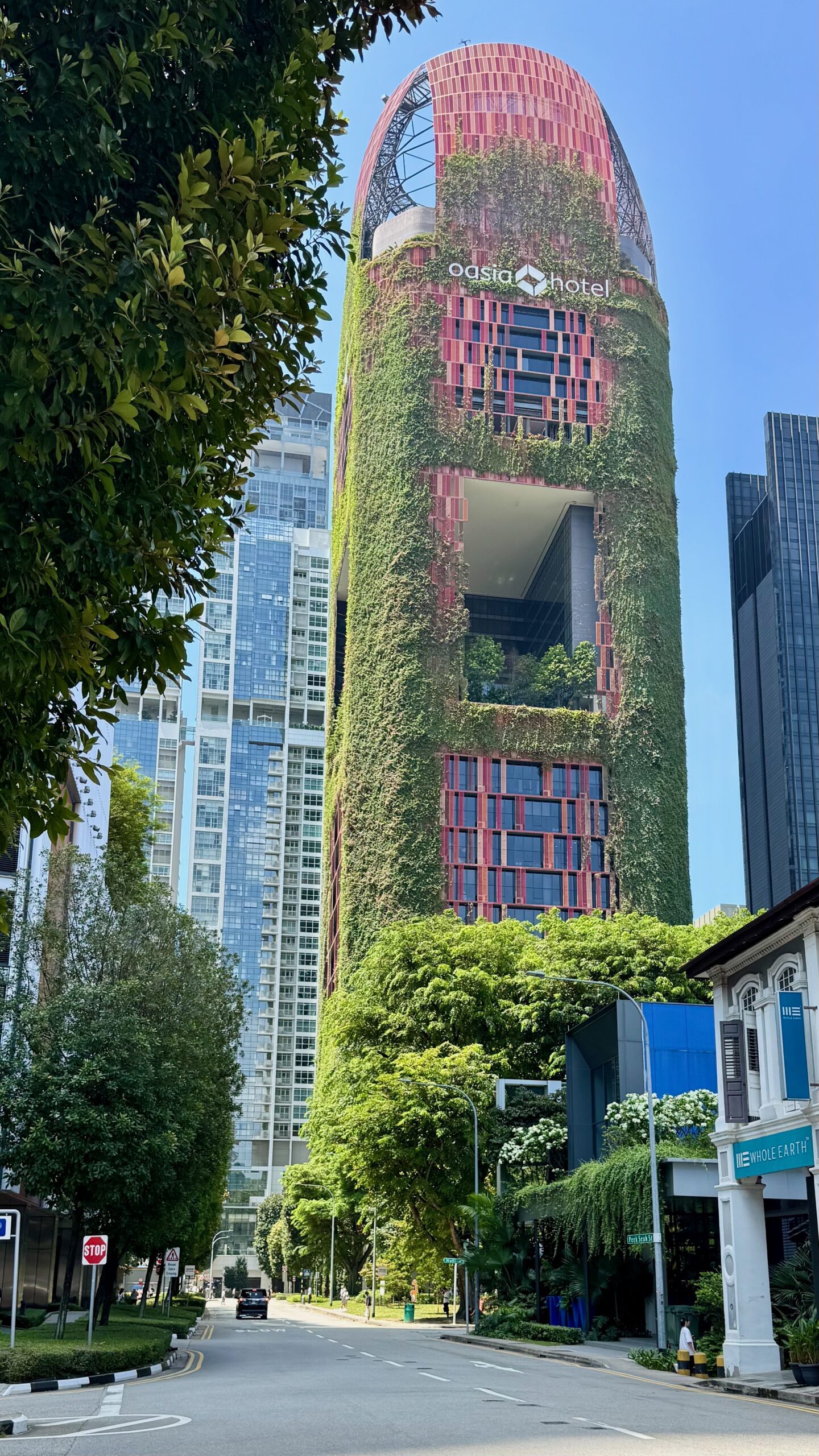
Where to Base Yourself: Chinatown
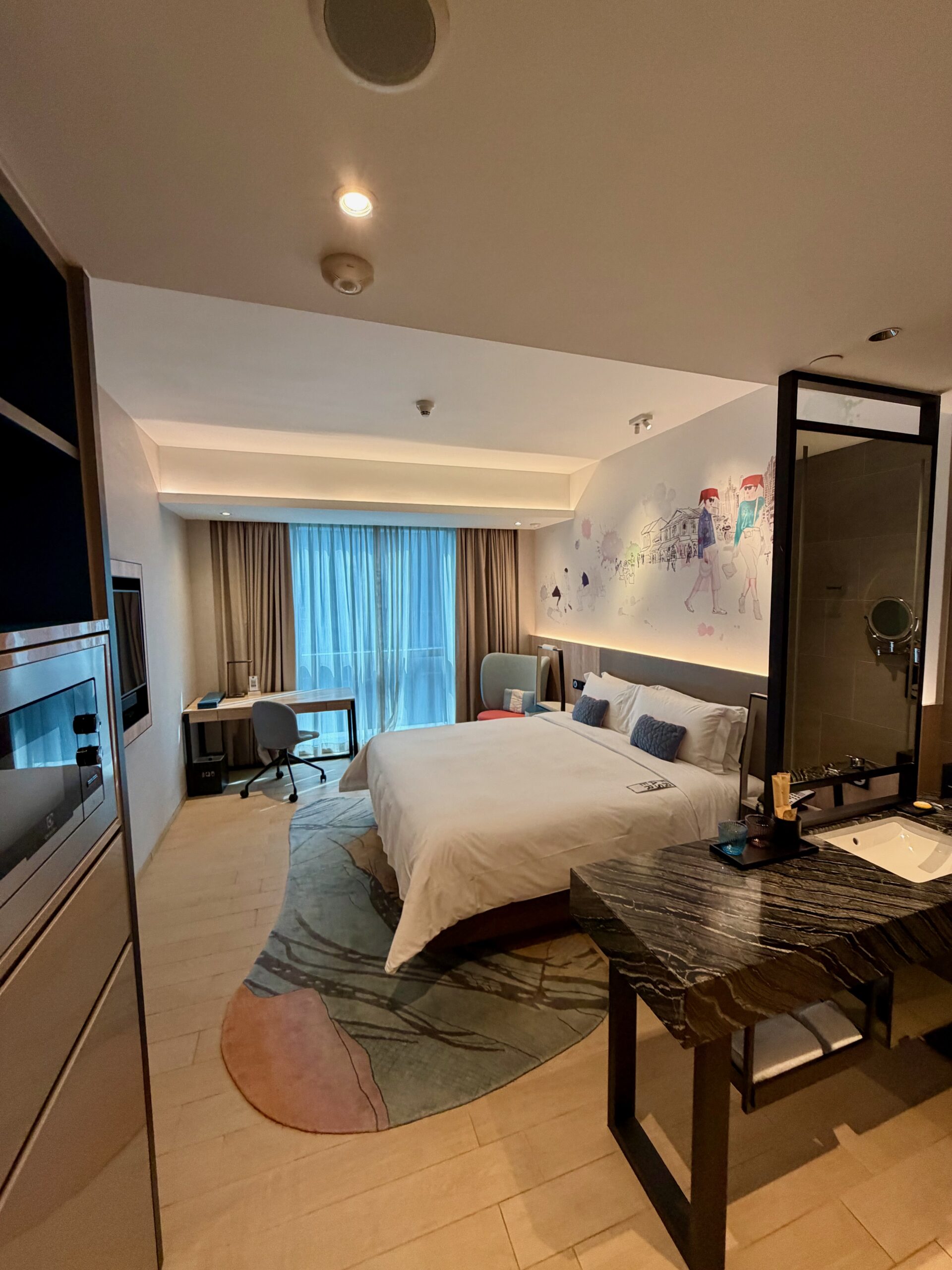
We stayed at Capri by Fraser, China Square at 181 South Bridge Road, in Chinatown — and the location is the reason to pick it. The neighbourhood is full of cute little shops and genuinely nice to look at, and it puts you within walking distance of much of the centre. The hotel itself was very nice. One practical warning: our rate didn’t include breakfast, and the in-house breakfast is very expensive, so plan to eat out — which you’ll want to do anyway.
One thing about Chinatown: it’s hot and there’s little shade, so walk it in the morning or late afternoon rather than the middle of the day.
Getting Around
The centre is very walkable, and we covered most of it on foot. For longer hops, the MRT is easy: you can tap straight in with a contactless Visa or Mastercard (or a phone wallet) — no registration, no top-ups — though foreign cards add a small admin fee of about S$0.60 per day of use. If you’d rather a fixed cost, a Singapore Tourist Pass runs S$17 for one day of unlimited rides.
One mild irony for a city that markets itself on green, walkable living: the stations are spread out, so you still end up walking a fair bit to reach the next one. From the airport, we used Grab: Changi to Chinatown was S$16.79 (about €11.50), and the return to the airport S$17.92 (about €12.40).
What to Do in Two Days
Gardens by the Bay
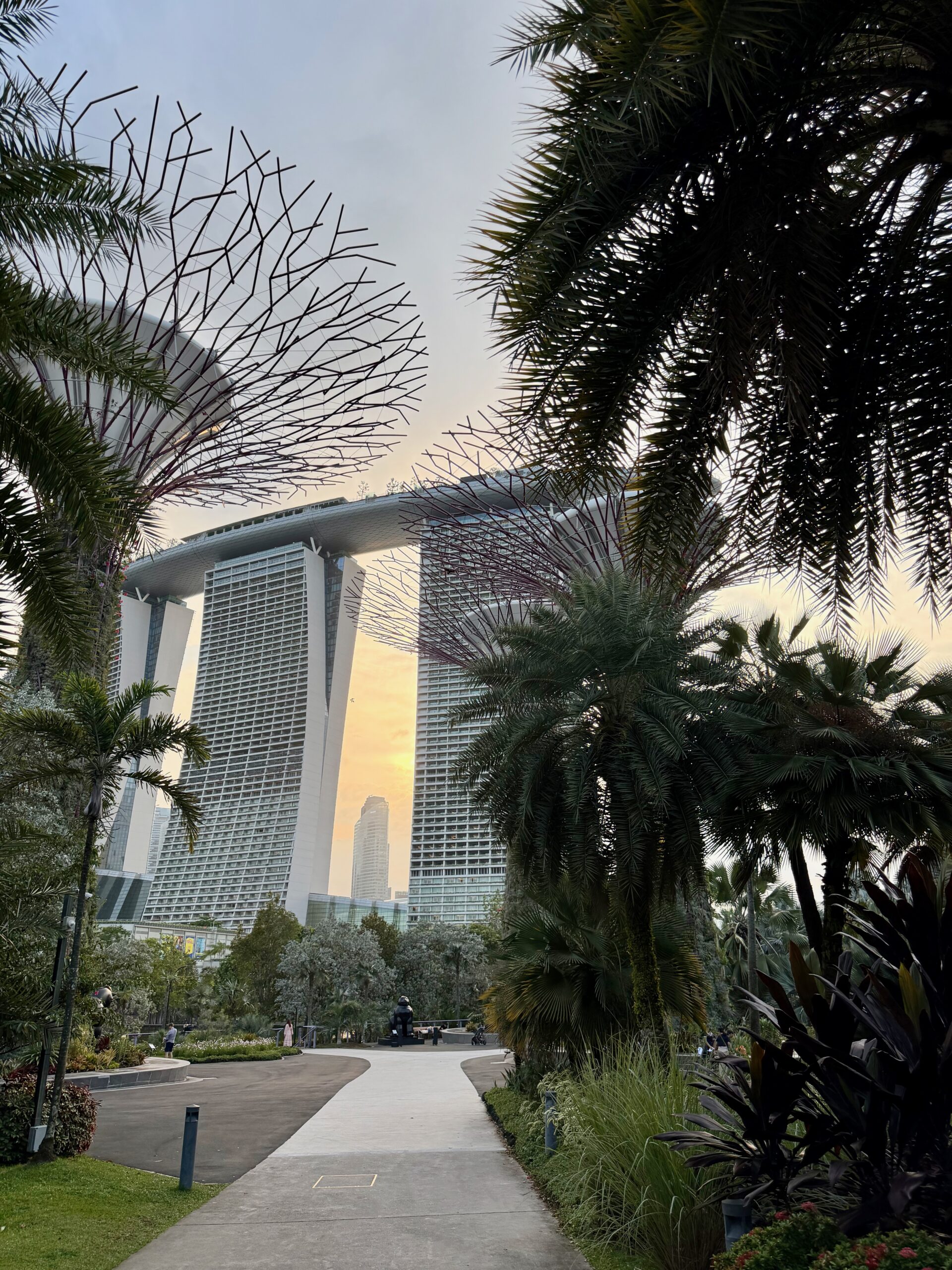
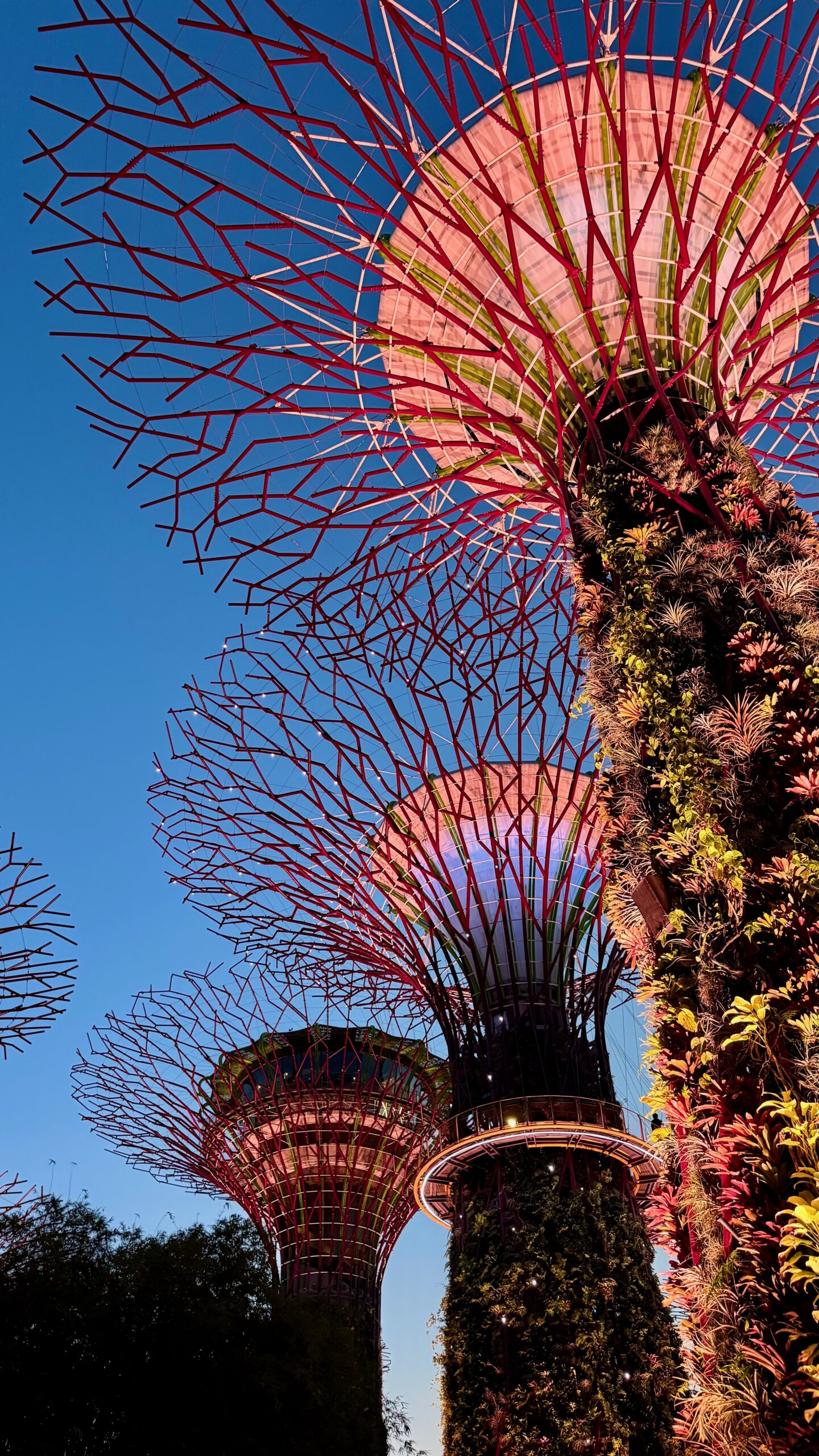
The Supertree grove is free to walk through, and we skipped both the paid skywalk and the evening light show. Honestly, I wasn’t taken with it — up close the Supertrees look less like a garden centrepiece and more like the remains of a torn-down building.
The two conservatories are the paid draw, and here’s the verdict: they’re impressive and pleasant, but nowhere near worth the money. The tourist ticket for the Cloud Forest and Flower Dome is about S$30 (the all-three bundle with the Supertree Observatory is S$60), and what you get is, fundamentally, a lot of flowers and some trees. If you only do one, make it the Cloud Forest — the misted indoor mountain and waterfall are the better experience, and it currently hosts a Jurassic World installation with life-sized animatronic dinosaurs, which is genuinely good fun.
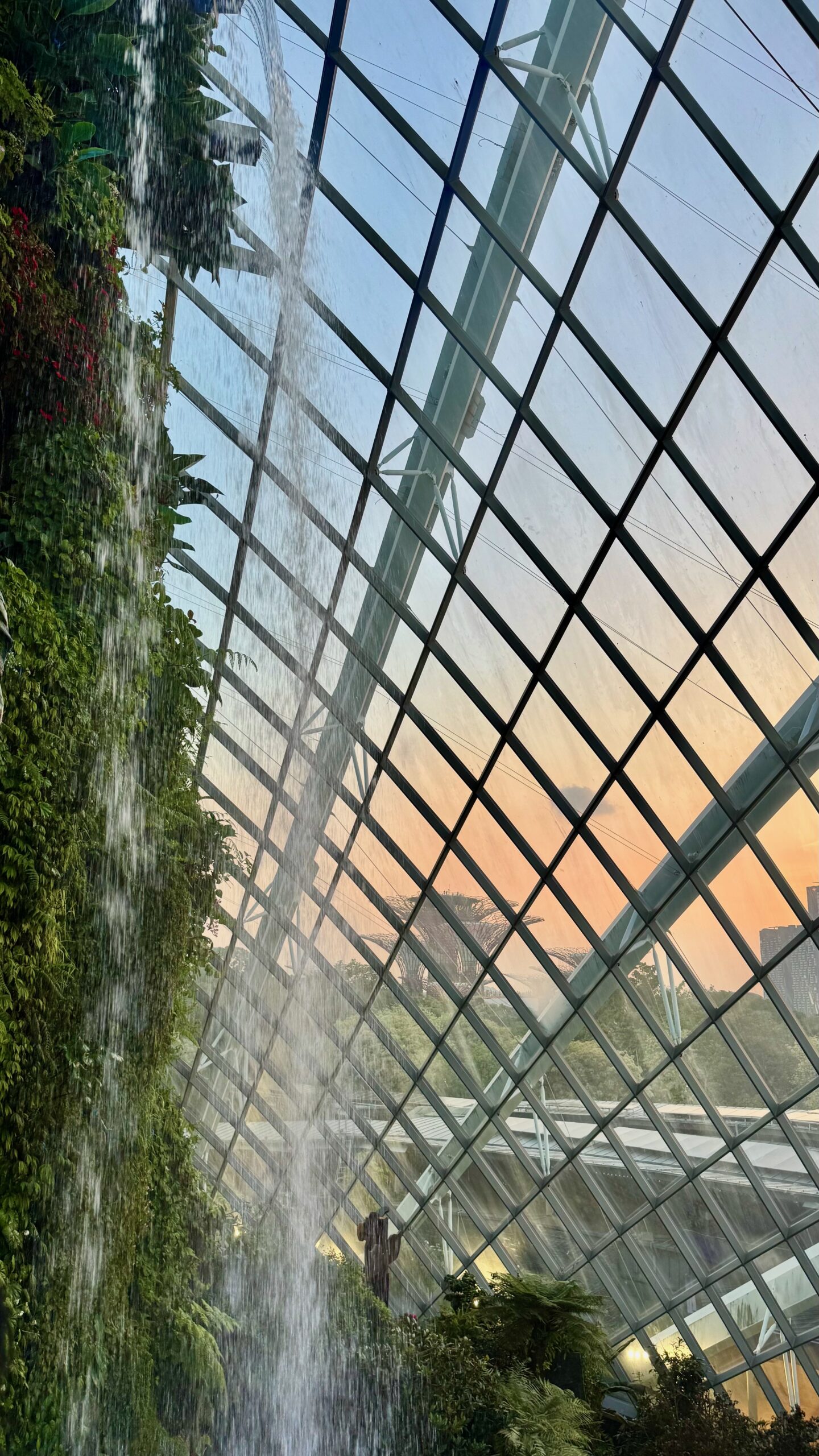
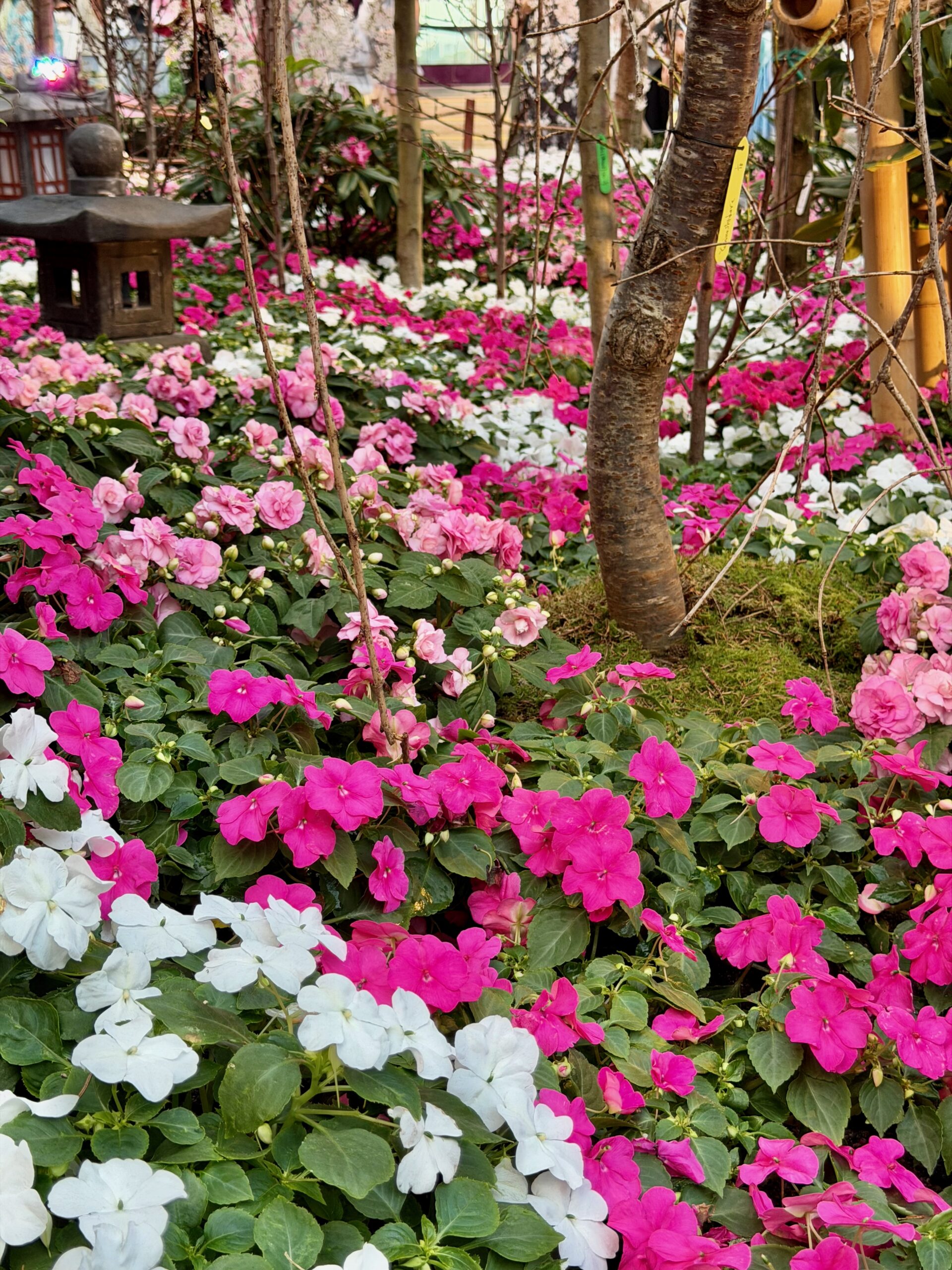
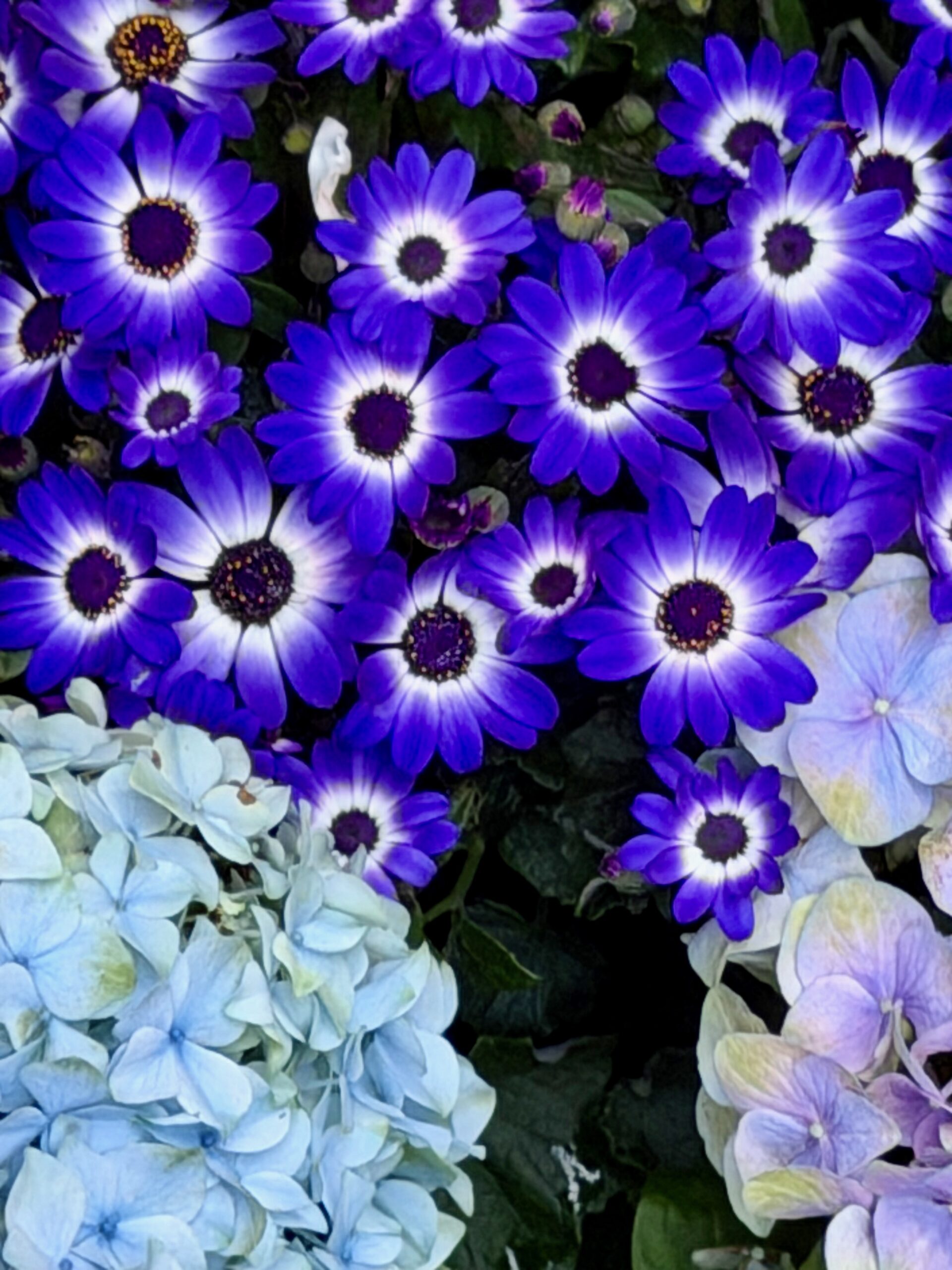
Marina Bay Sands
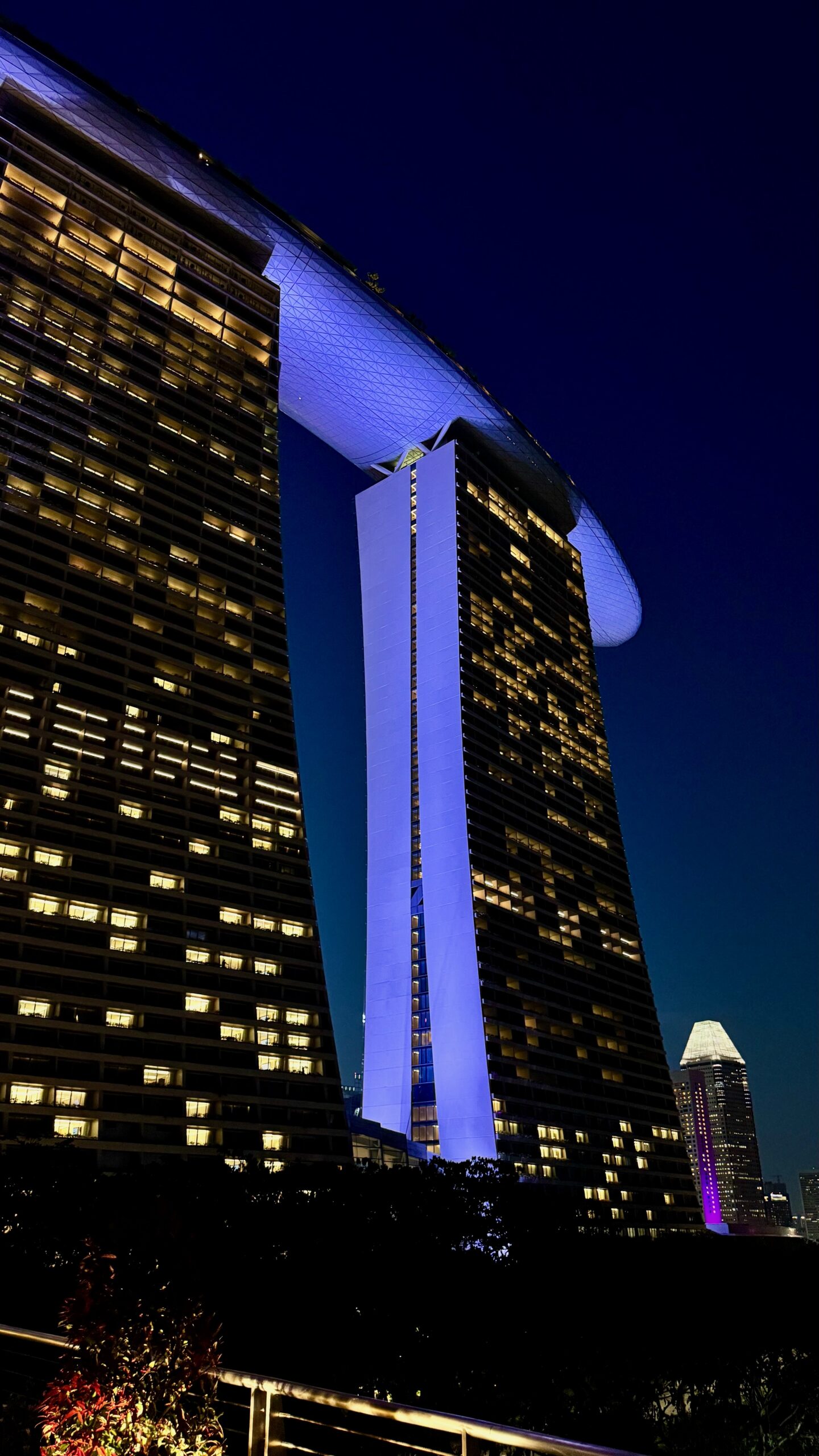
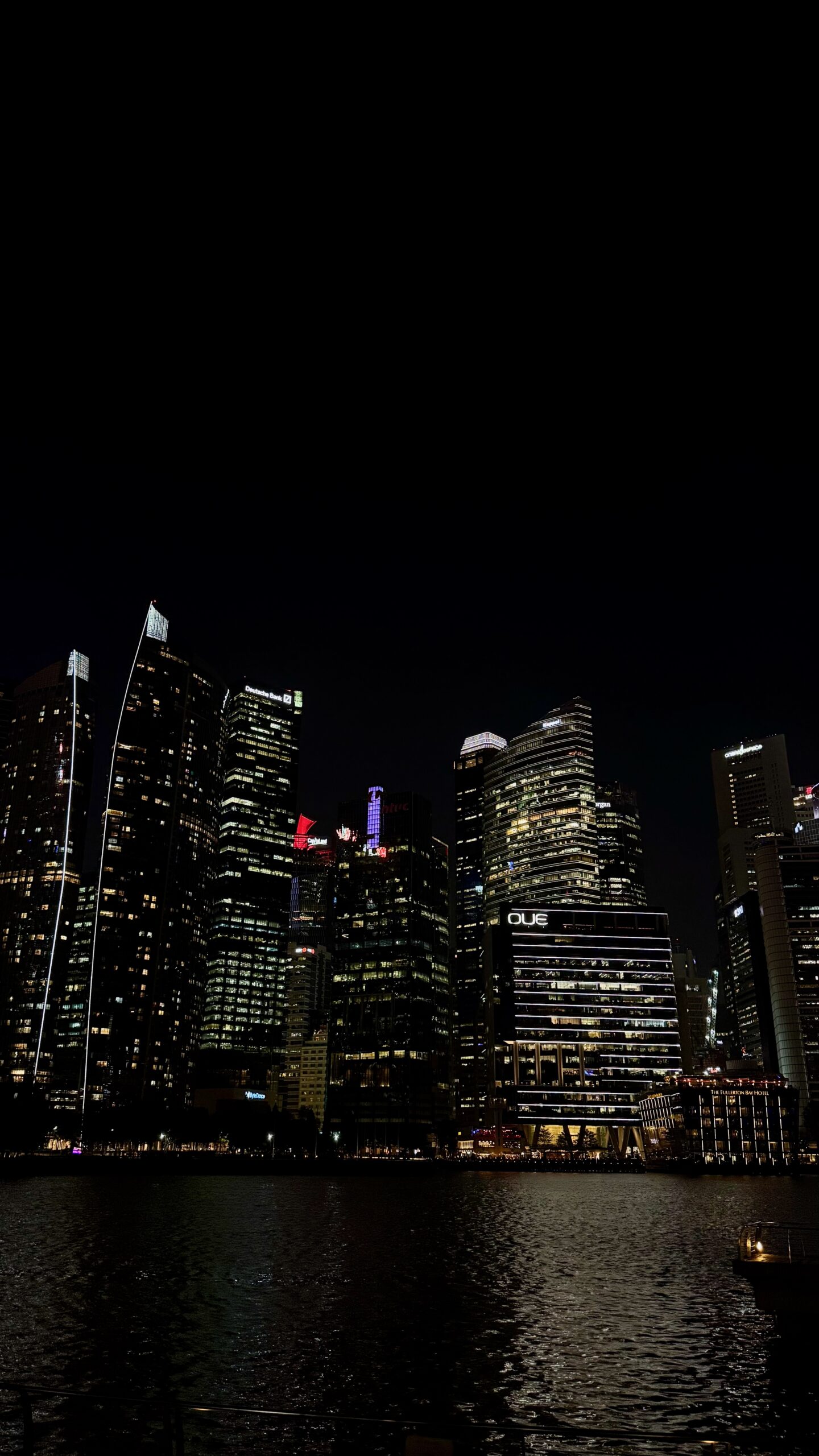
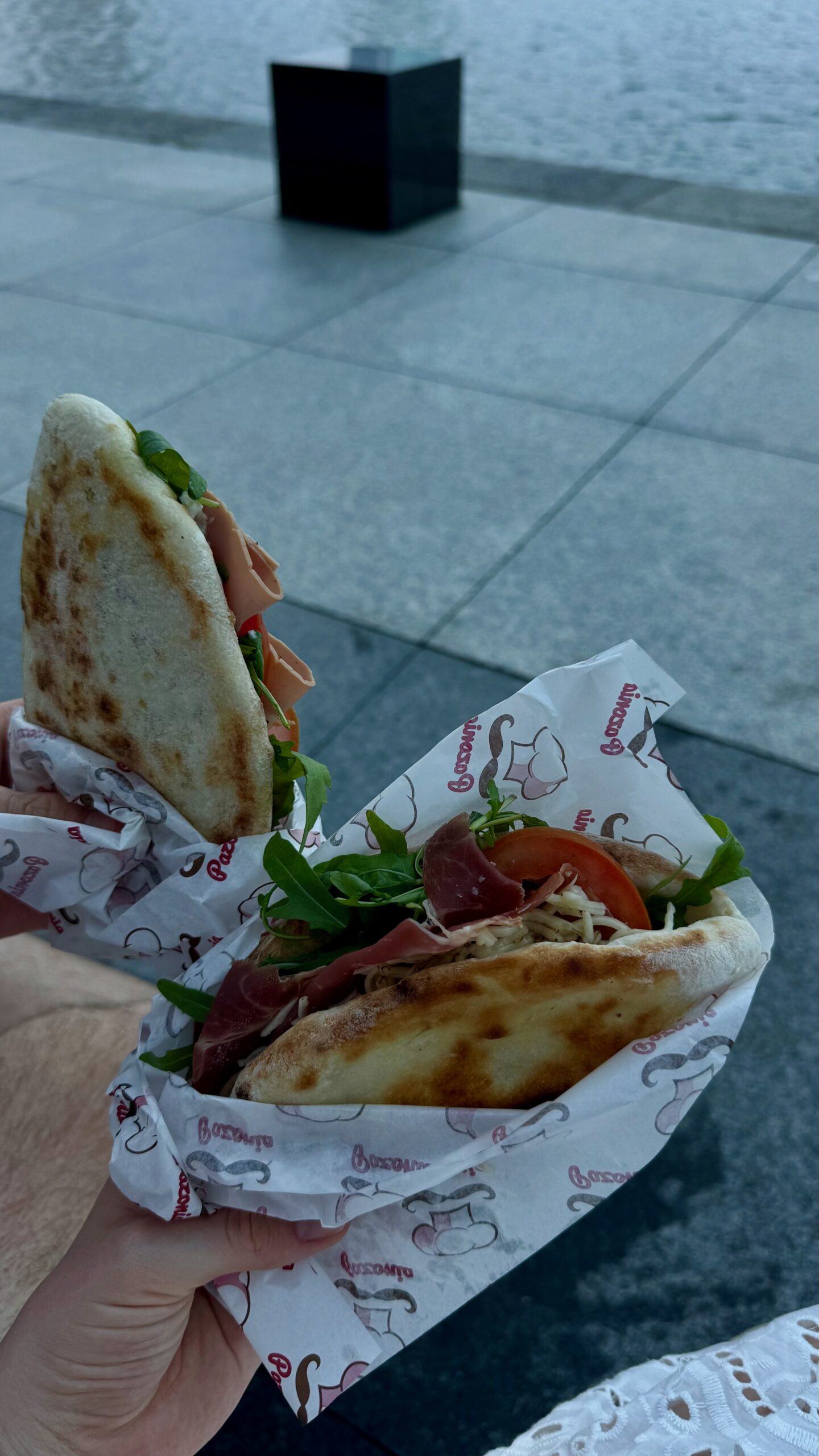
We walked around Marina Bay Sands and explored the mall rather than going up. If you do want the rooftop view, a bar like CÉ LA VI lets you walk in for roughly S$38, which includes one drink — worth it if you time it for sunset. Tucked in the Shoppes beneath the towers, we found a small Italian street-food spot and ate the snack down by the water — a good, low-key stop away from the crowds.
Jewel Changi Airport
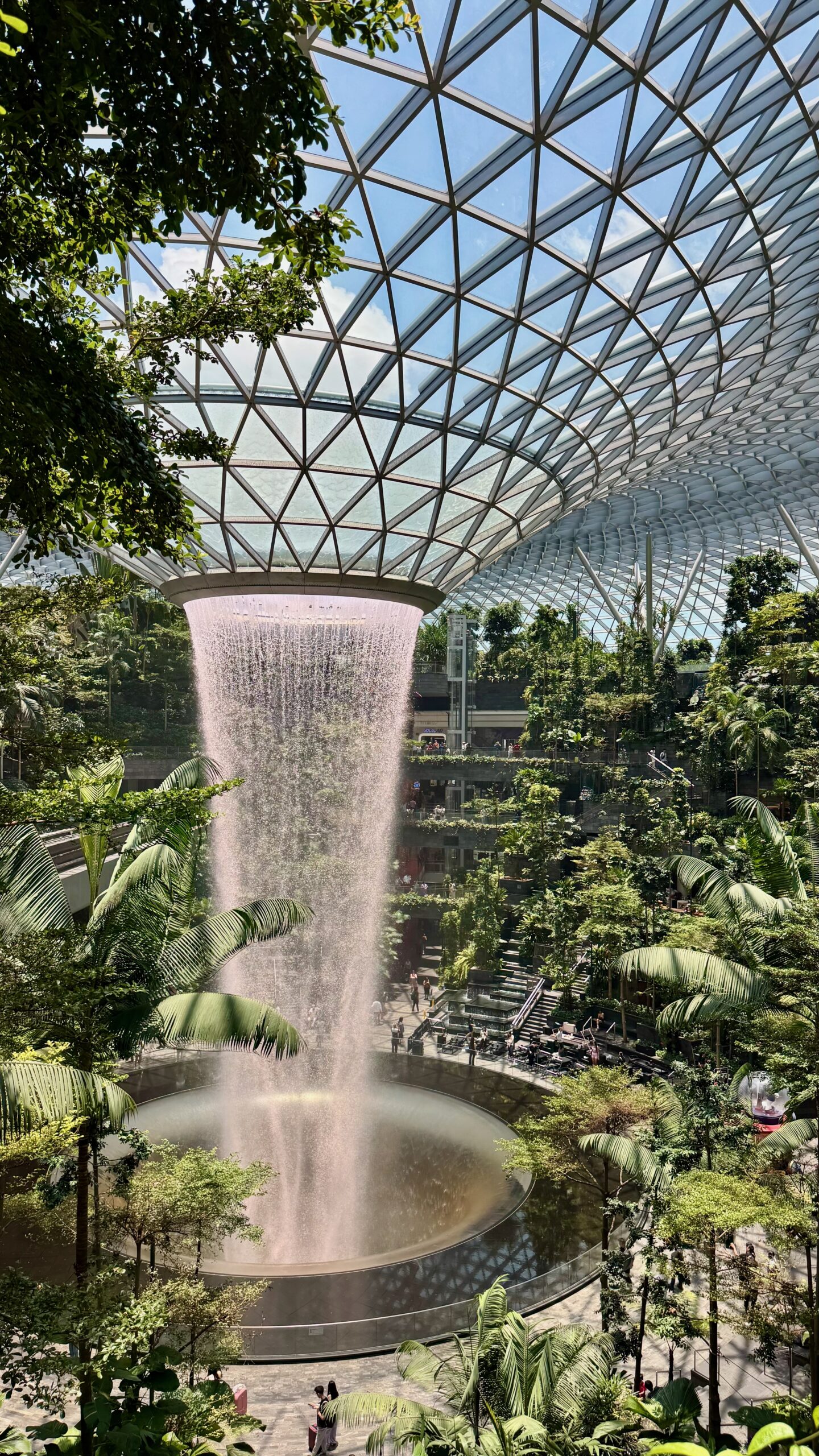
Don’t write Changi off as just the way out. We made a dedicated trip to Jewel on our full day and it was genuinely nice to explore — built around the Rain Vortex, the world’s tallest indoor waterfall. It’s mostly western shops, but there are some good restaurants, and it’s where we had lunch at Din Tai Fung.
Joo Chiat and the Peranakan Houses
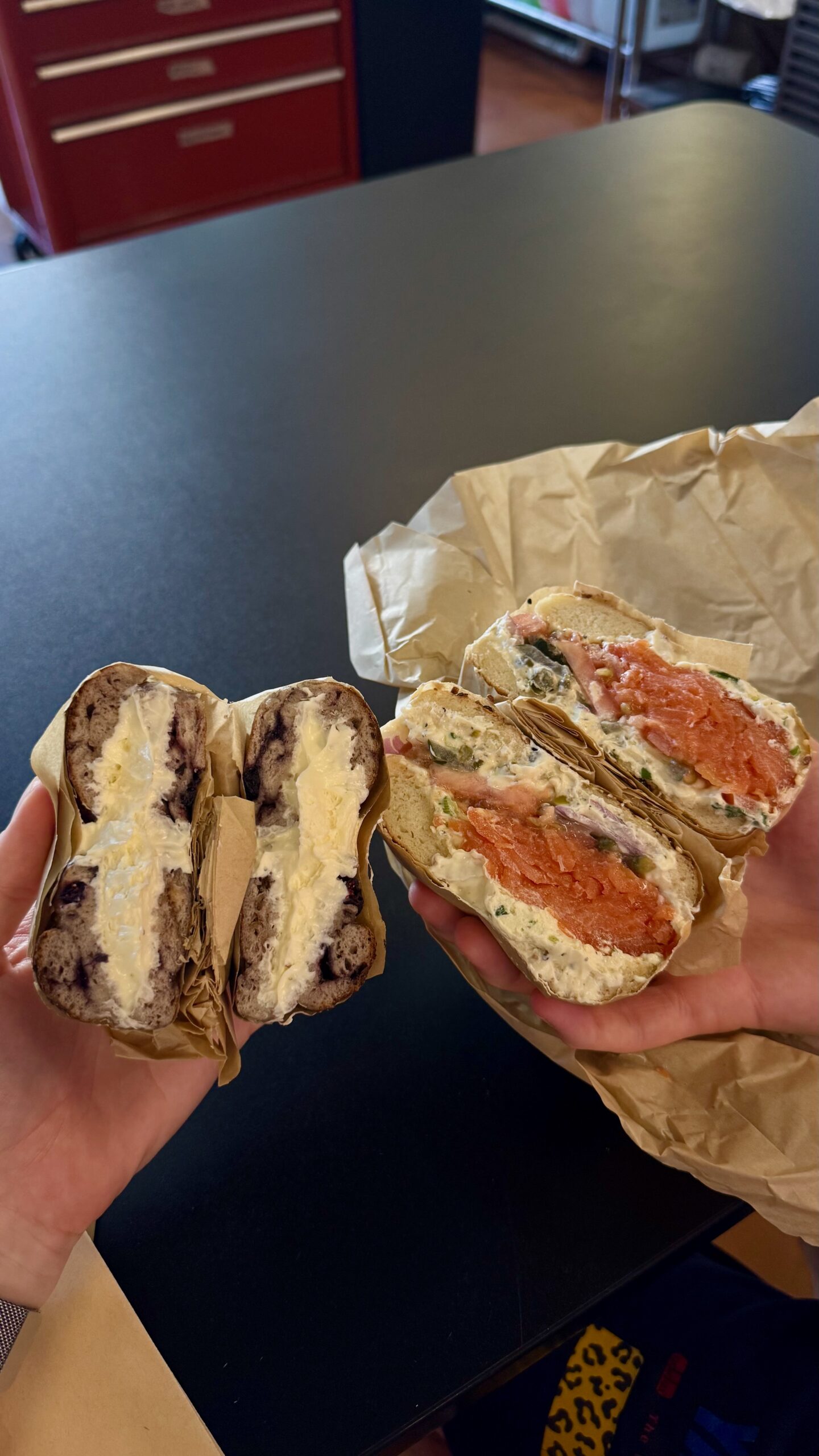
For a different side of the city, head to Joo Chiat, the old Peranakan quarter with its colourful shophouses. We didn’t over-plan it — just wandered, dropped into a few cafés, and had bagels. It’s low-rise, residential, and a welcome contrast to Marina Bay.
Where We Ate and Drank
The food was the part of Singapore I’d happily go back for.
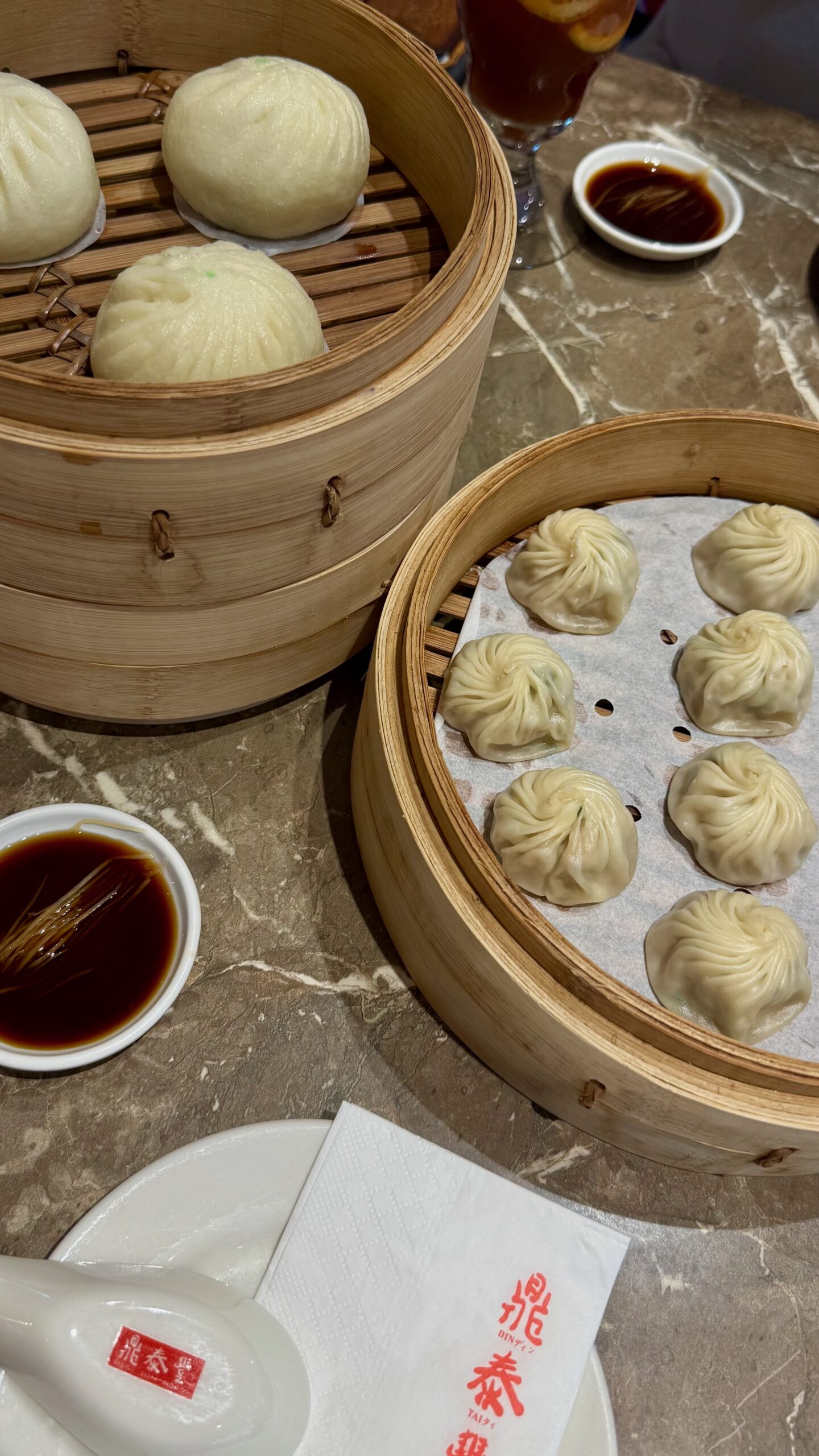
Din Tai Fung (at Jewel): Amazing. We had the vegetarian and pork dumplings, but the standout — by a distance — was the chocolate xiao long bao (the Mama Mochi Chocolate version): a molten-chocolate dessert dumpling and a brilliant sweet finish.
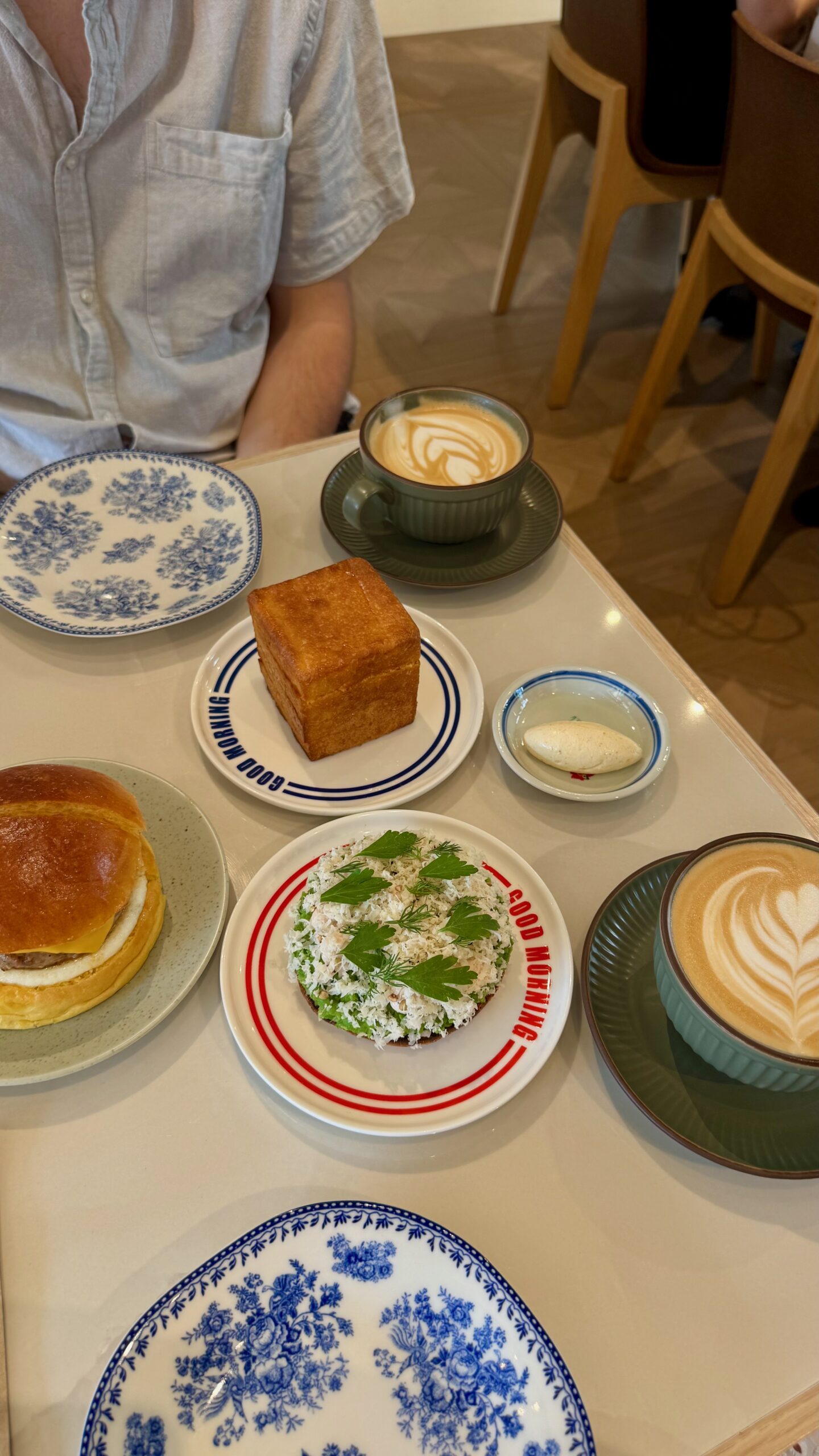
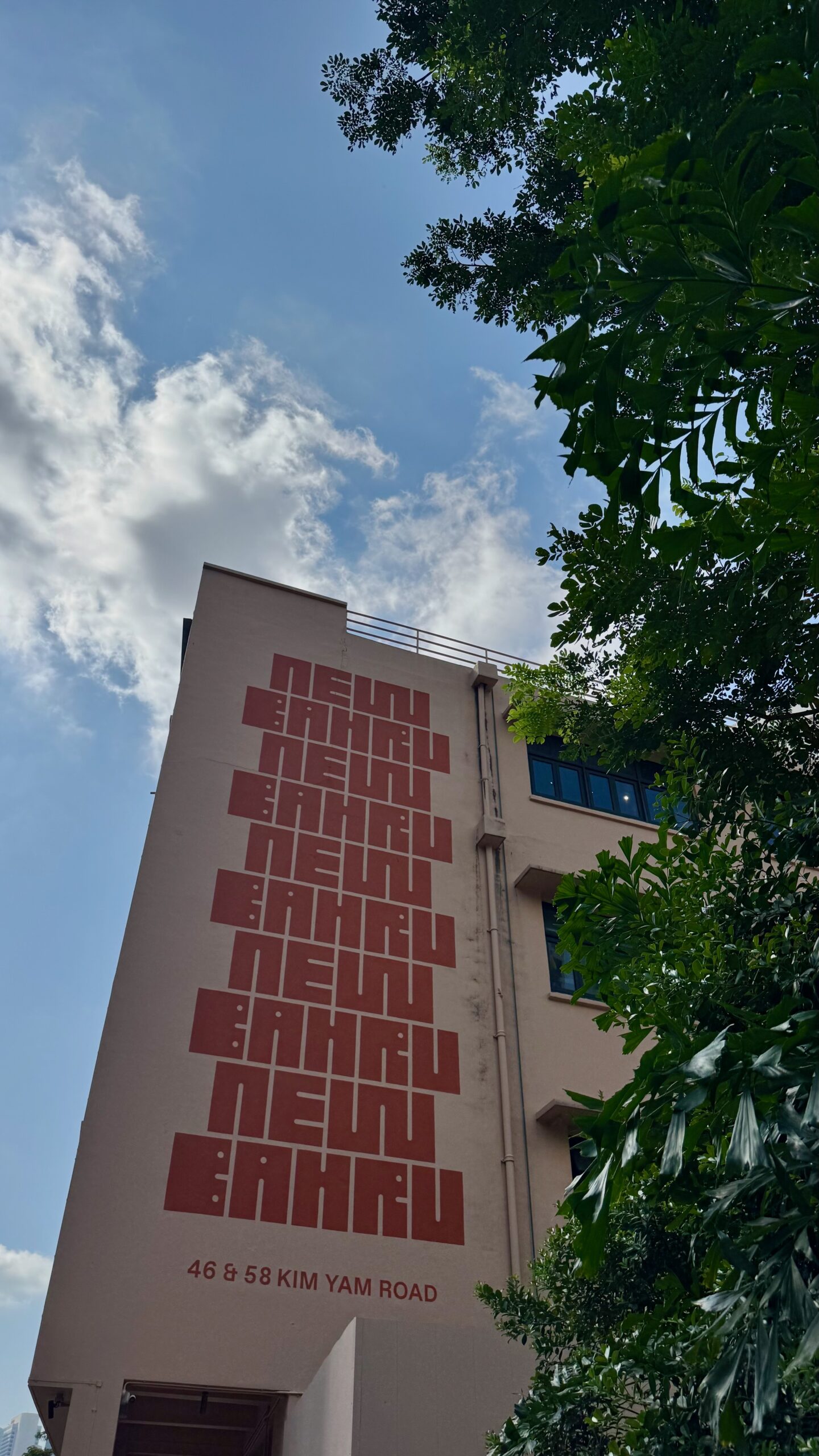
Dearborn at New Bahru: The breakfast burger here was excellent — I’d really recommend it. Dearborn is a micro-bakery inside New Bahru, a 1940s former girls’ school in River Valley reborn as a cluster of homegrown Singapore brands; worth a look in its own right.
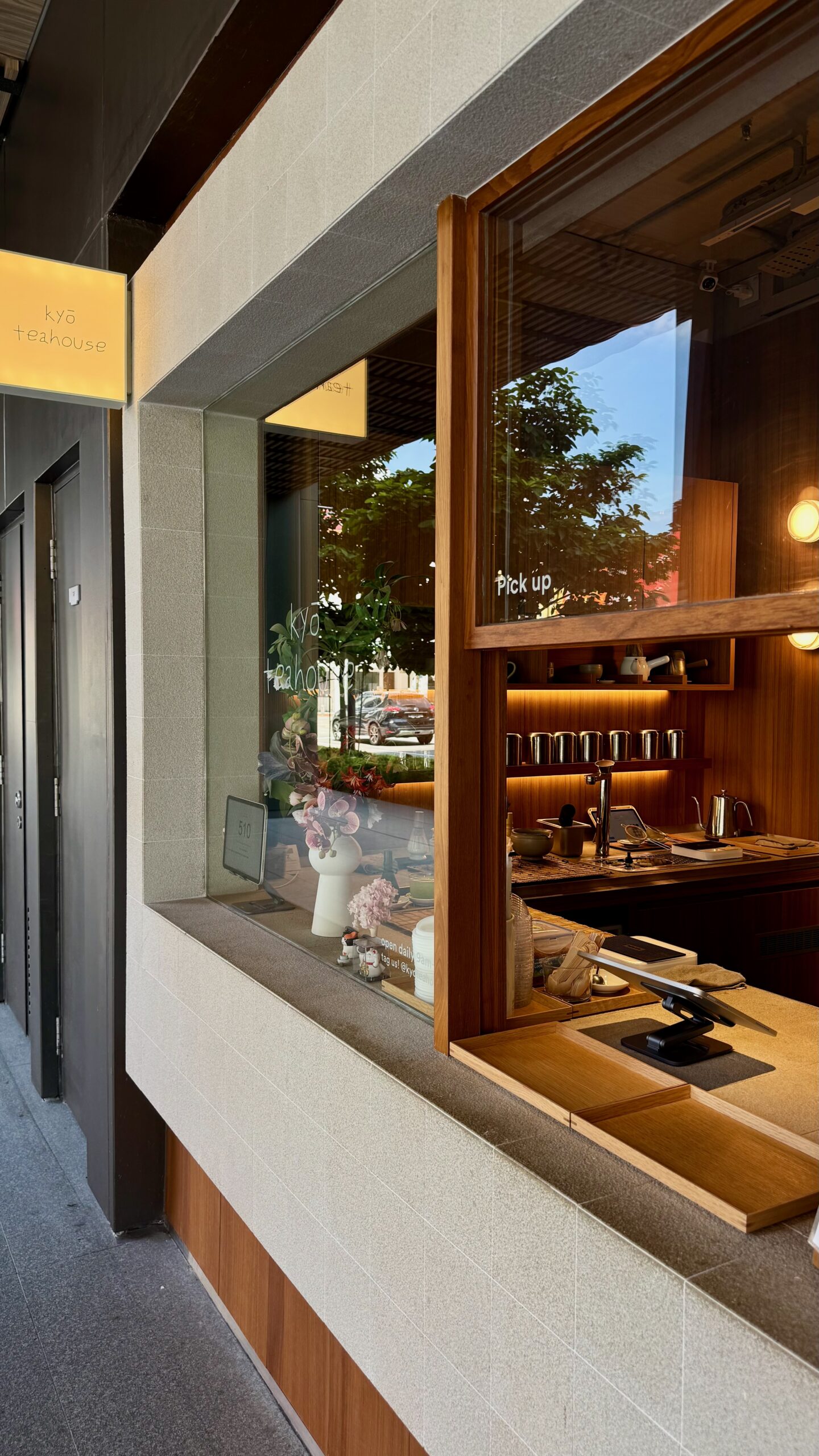
Kyo / Kyo Kohee: Two matcha lattes, both amazing.
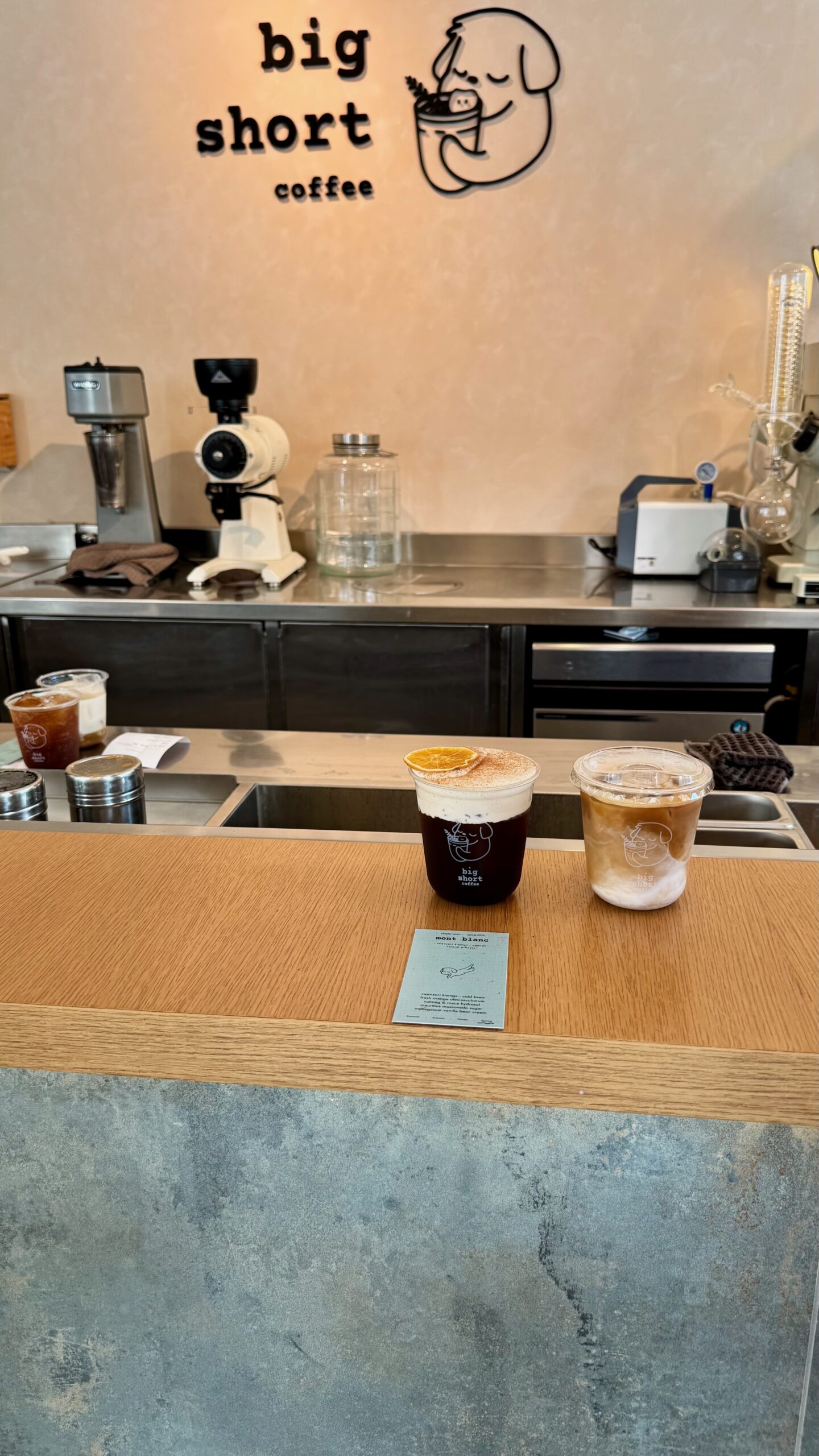
Big Short Coffee: They do specialty coffees worth trying — I had a normal latte and one of the specialty pours; check what they’ve got on.
Two Men Bagel House (Joo Chiat): The bagels were nice, though they didn’t quite live up to the ones I’ve had in the US.
What I’d Do Differently
Next time I’d skip the sit-down “fancy” restaurants entirely and lean into the hawker centres and street food — that’s the eating Singapore is genuinely known for, and it’s better value than another mall restaurant. I’d also skip waiting around for the Supertree show.
Final Take
Singapore is a clean, easy, walkable city that does “frictionless” better than almost anywhere — and after Vietnam and Thailand, that was both its appeal and its limit. Two nights covers it well: the gardens for an evening, Jewel and Joo Chiat for a day, good coffee and great dumplings in between. As a layover, especially en route to or from Australia or New Zealand, it’s a strong stop. As a standalone destination, I wouldn’t give it many more days than that.