Two nights in Hoi An was the stop we built in to slow down. After a run of early starts and back-to-back travel days, we gave it a beach resort instead of an Old Town guesthouse. The plan was loose: drift into the lantern-lit centre once or twice, and otherwise do very little. It is a beautiful, walkable UNESCO town, but also one of the most thoroughly tourism-engineered places we visited. That is worth knowing before you go. We came down from Ha Long Bay, flying Hai Phong to Da Nang in March.
Getting there and around
From Da Nang airport to the resort is about 30 km and 45–55 minutes by Grab. Our ride in ran 319,280đ and the trip back to the airport 327,200đ (about €11 / $12 each). We skipped Da Nang itself. On a trip this full, we would rather have two unhurried nights somewhere than tack on another short stop.
The resorts sit on the beach near Cửa Đại and An Bang, not in the Old Town, so you will be commuting in. Ours ran an hourly shuttle into the centre, but Grab is cheap and easy too. Into the Old Town it runs roughly 78,000–190,000đ (about €2.60–6.30 / $3–7.20), depending on where you are headed. Book the shuttle early for the evening slots. After dark the town fills up, and so does the shuttle.
The honest take on the town
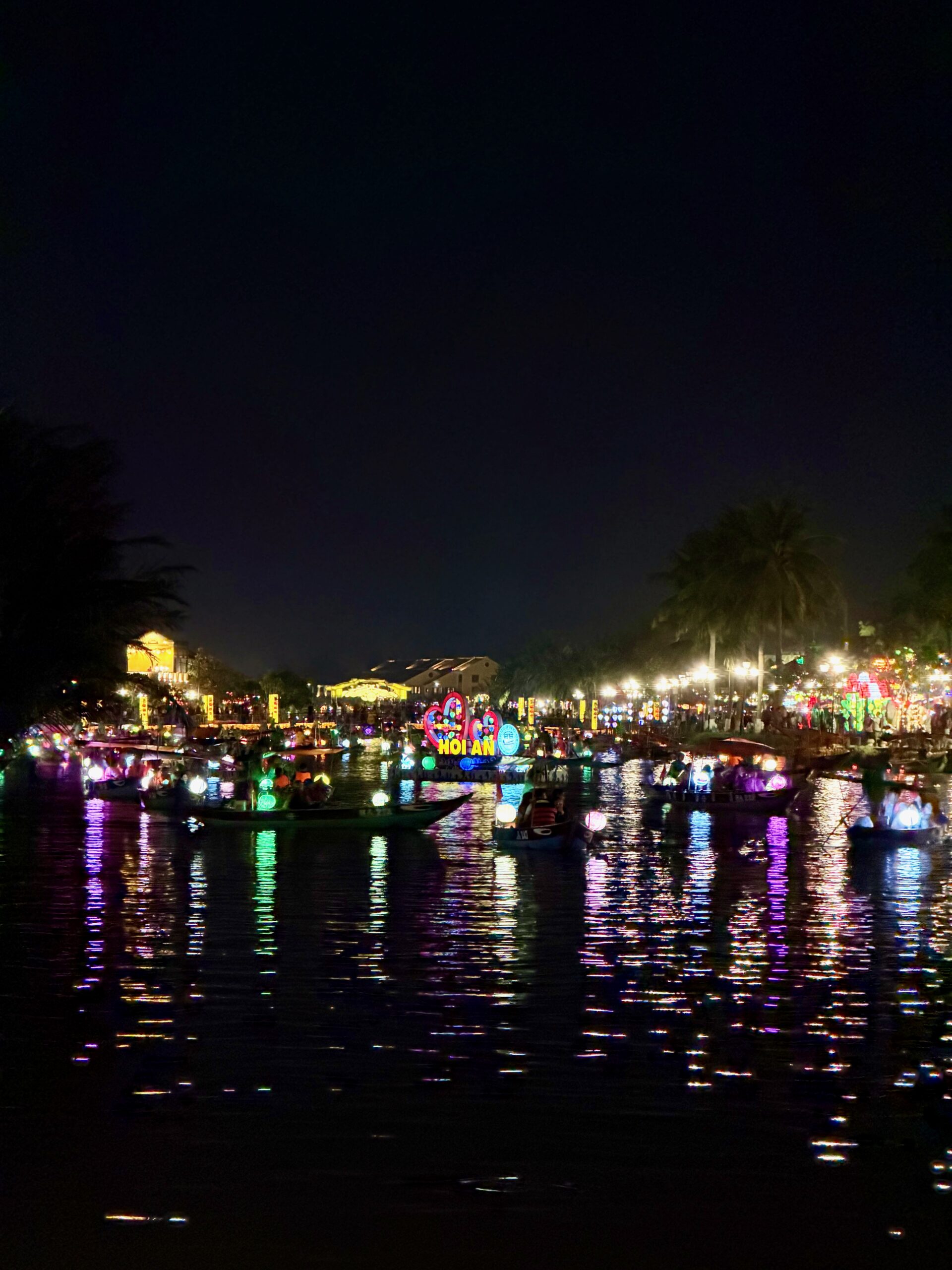
Hoi An is small, flat and walkable, and at night it is undeniably pretty. It is also, for long stretches, the Vietnamese equivalent of a theme park. A few streets off the main tourist spine, the place is nearly empty by day. Then the whole town switches on at sundown: the lanterns light up along the Hoài River, and every second person is selling a boat ride. We spent our evenings looking at the lantern boats and wandering the Night Market on Nguyễn Hoàng Street. It is a 300-metre run of around 50 stalls selling lanterns, souvenirs and street food from about 5pm until late. By day we walked through the Hoi An Central Market, the local-food counterpoint to the souvenir stalls. Come for Cao Lầu, White Rose dumplings and Mì Quảng at around 20,000–50,000đ a plate (about €0.65–1.65 / $0.75–1.90), and arrive between 6 and 9am for the freshest produce. We went in peak season, so it was packed. It was the second time on this trip, after Ninh Binh, that the “traditional Vietnamese culture” on offer felt less like something we had stumbled into and more like a product built for visitors.
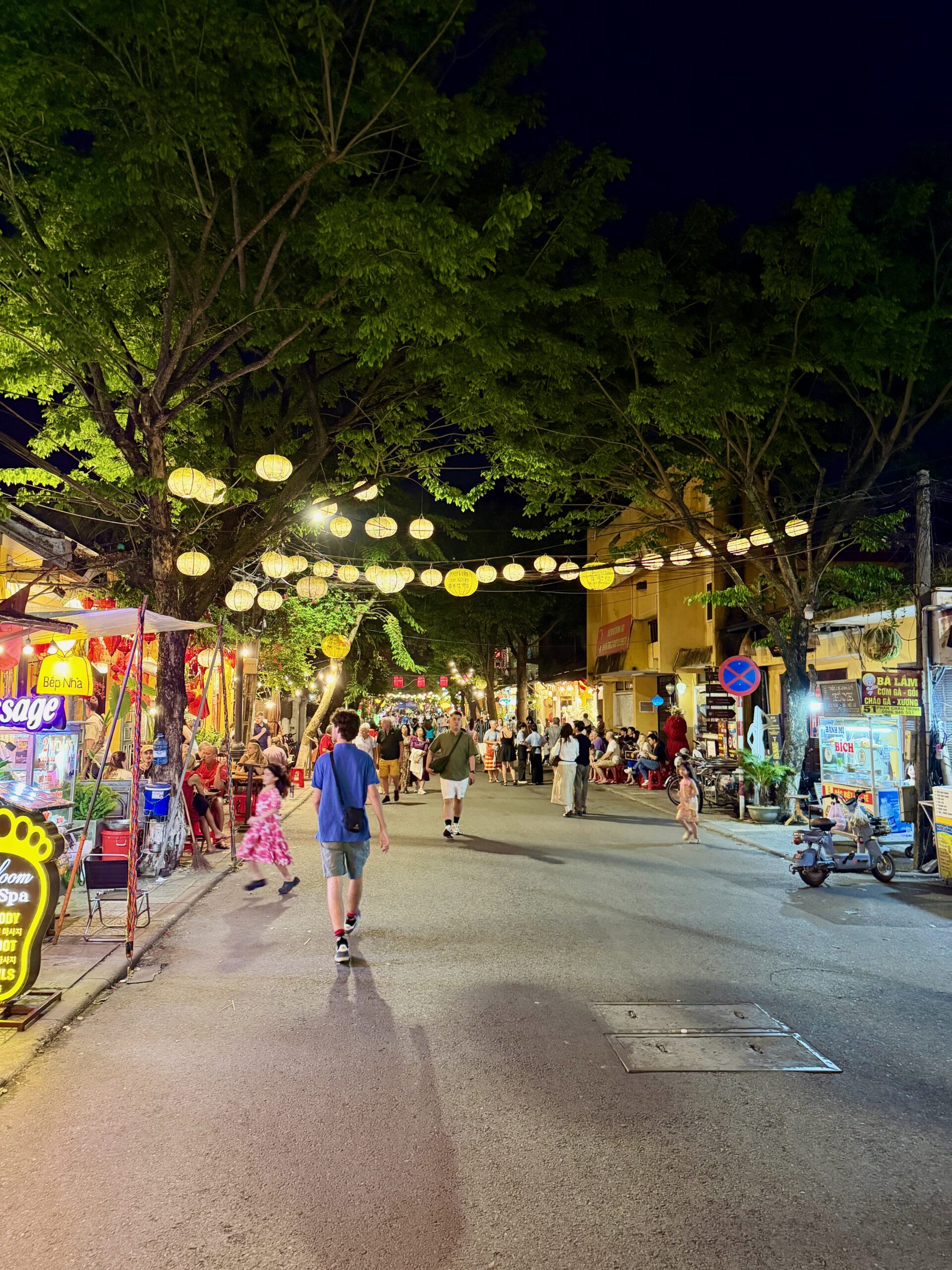
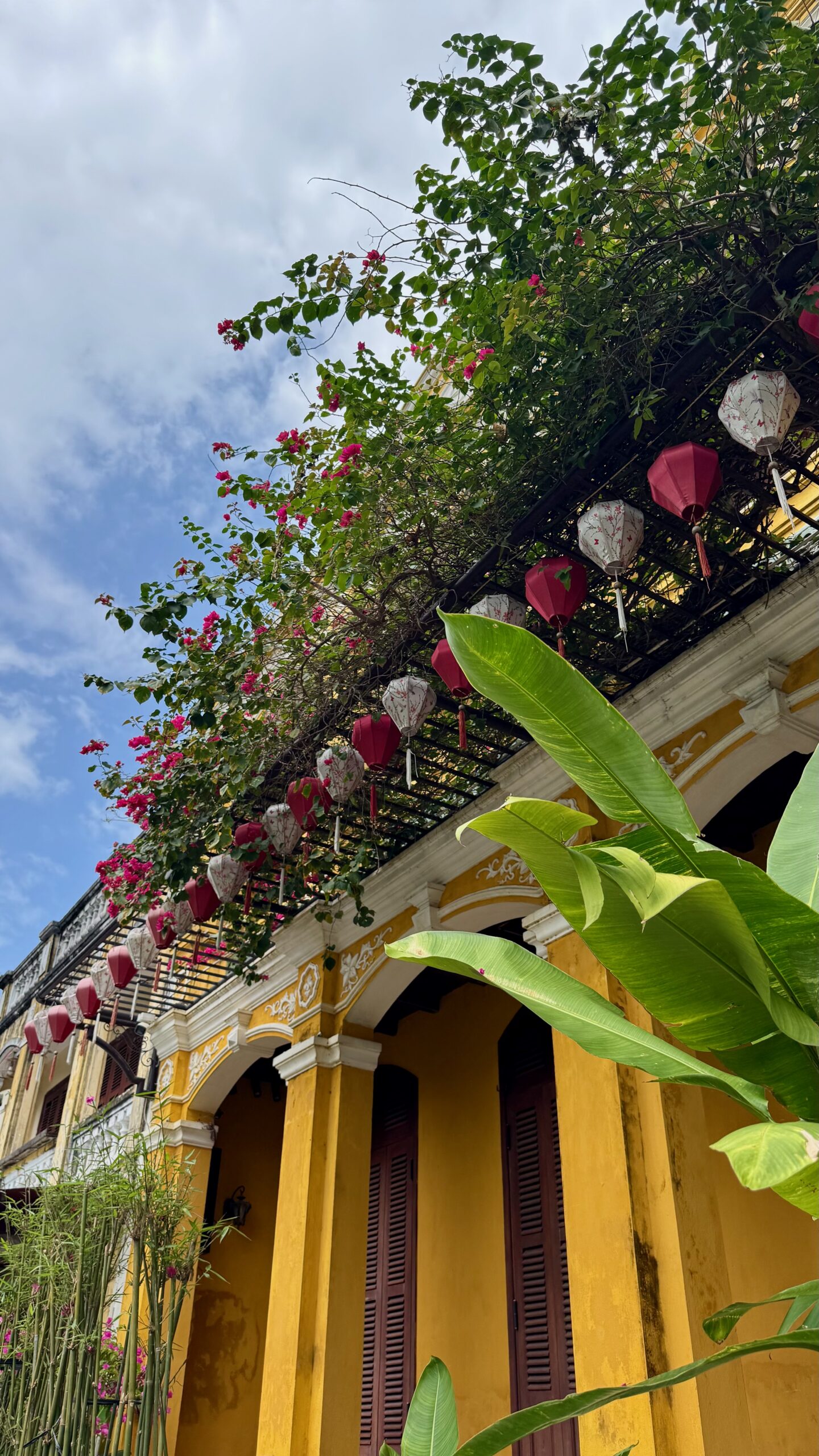
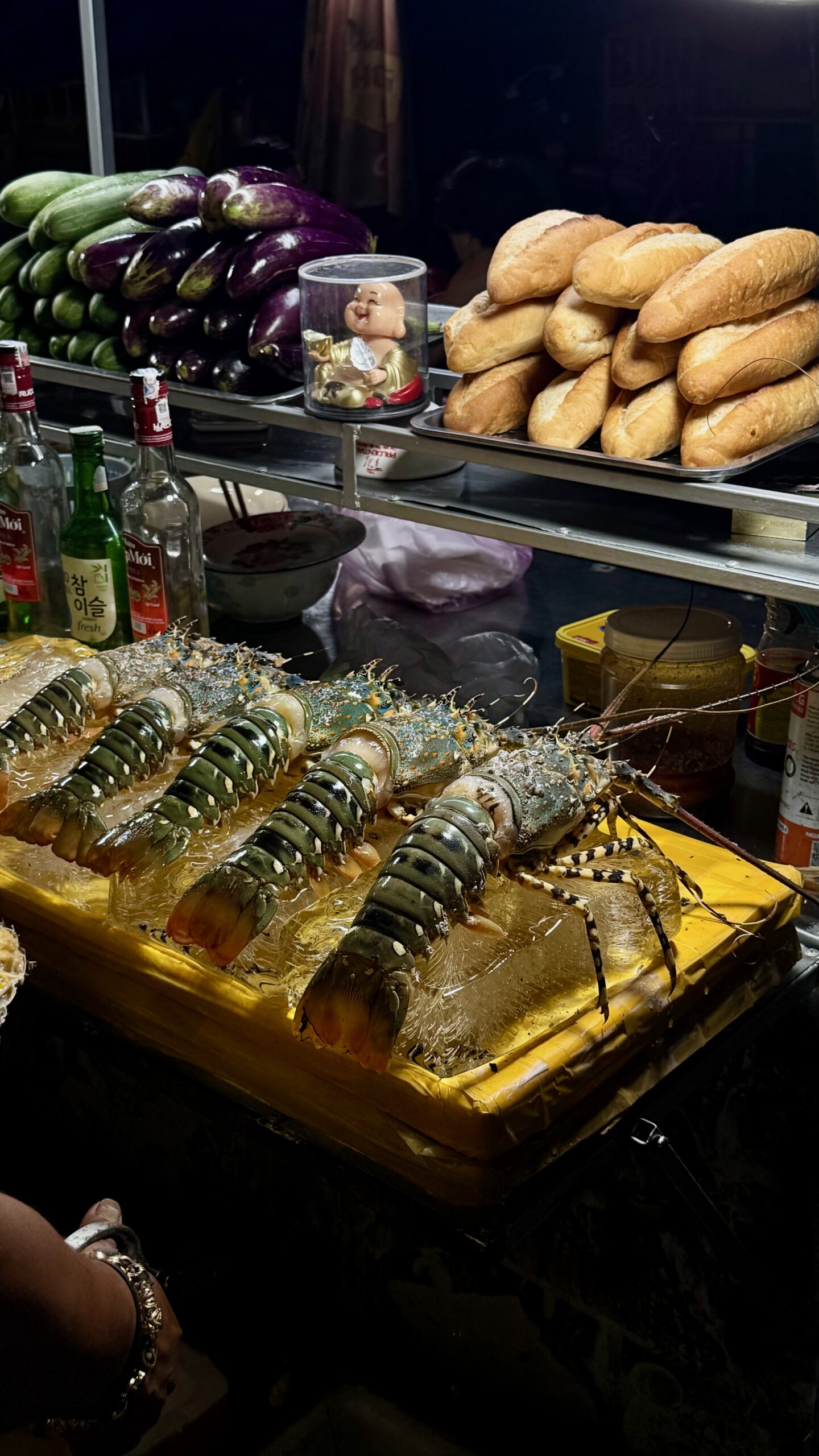
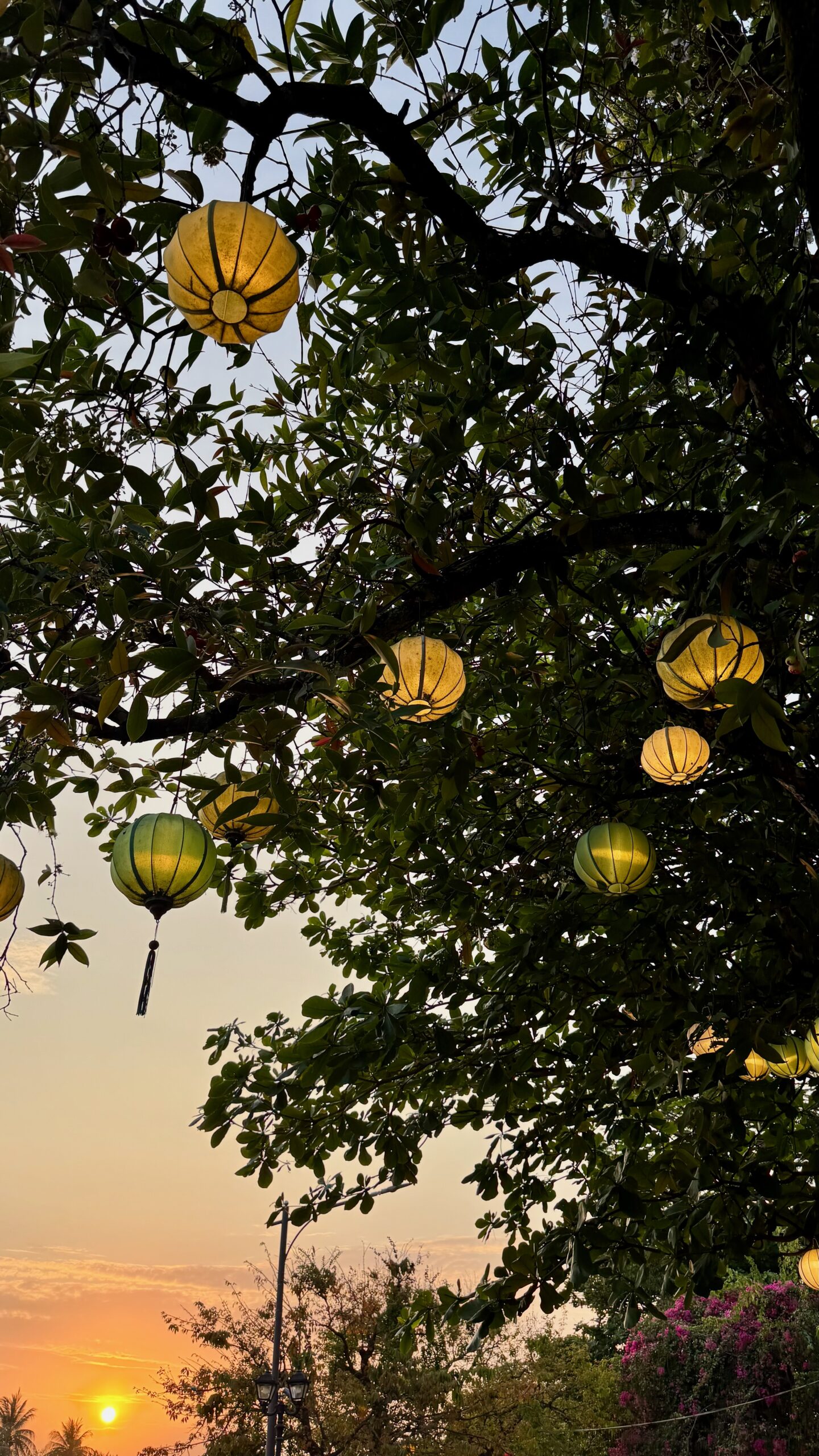
You notice the same thing on the drive in. The coast is a strange patchwork. For every open resort there seem to be two half-built or abandoned ones, and the hotels immediately left and right of ours sat shuttered and unfinished. Go in expecting a polished tourism machine rather than a sleepy heritage town, and you will enjoy it more.
A word on the tailors
Hoi An is famous for its tailors, and your hotel will almost certainly have a shop to point you toward. Be a little skeptical: hotels typically earn a commission for sending you, and the well-oiled places are not where the best work happens. The process is quick. They measure you, send the measurements to a factory, and you collect the finished piece the next morning. You trade quality for that speed. If a genuinely good suit is the goal, Hoi An is not the place. For a fast, cheap, fun souvenir piece, it delivers exactly that.
Where we based ourselves
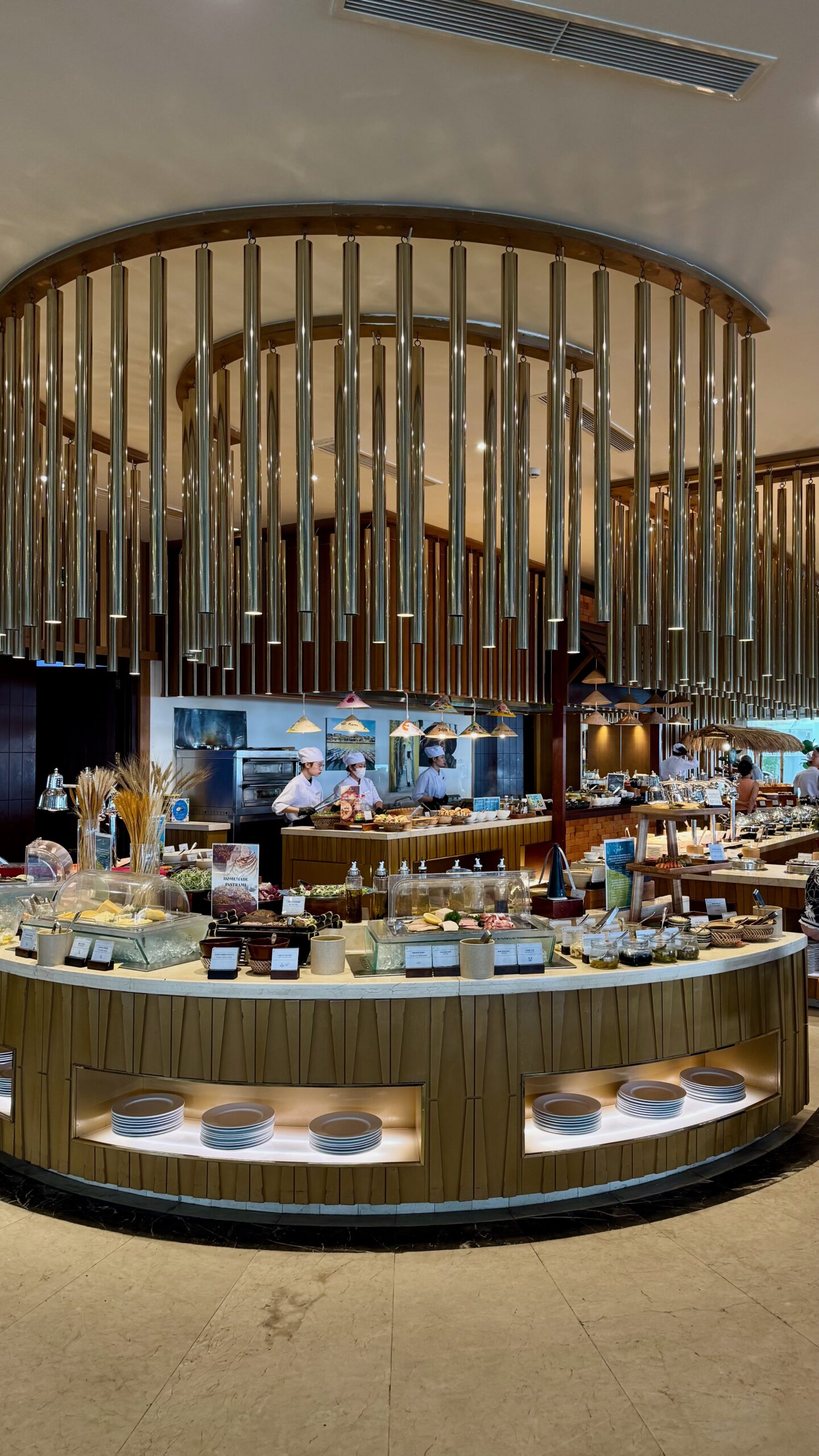
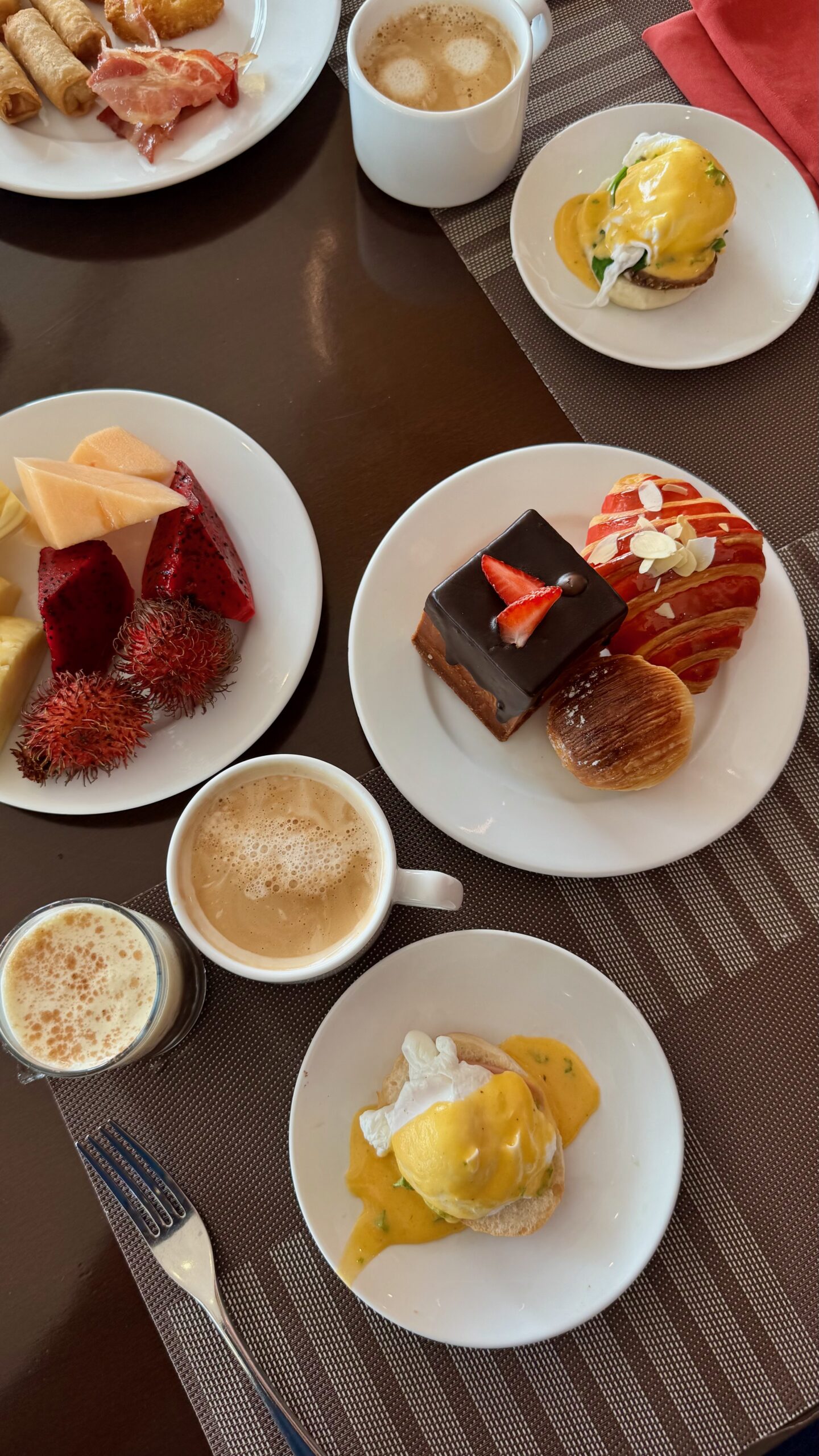
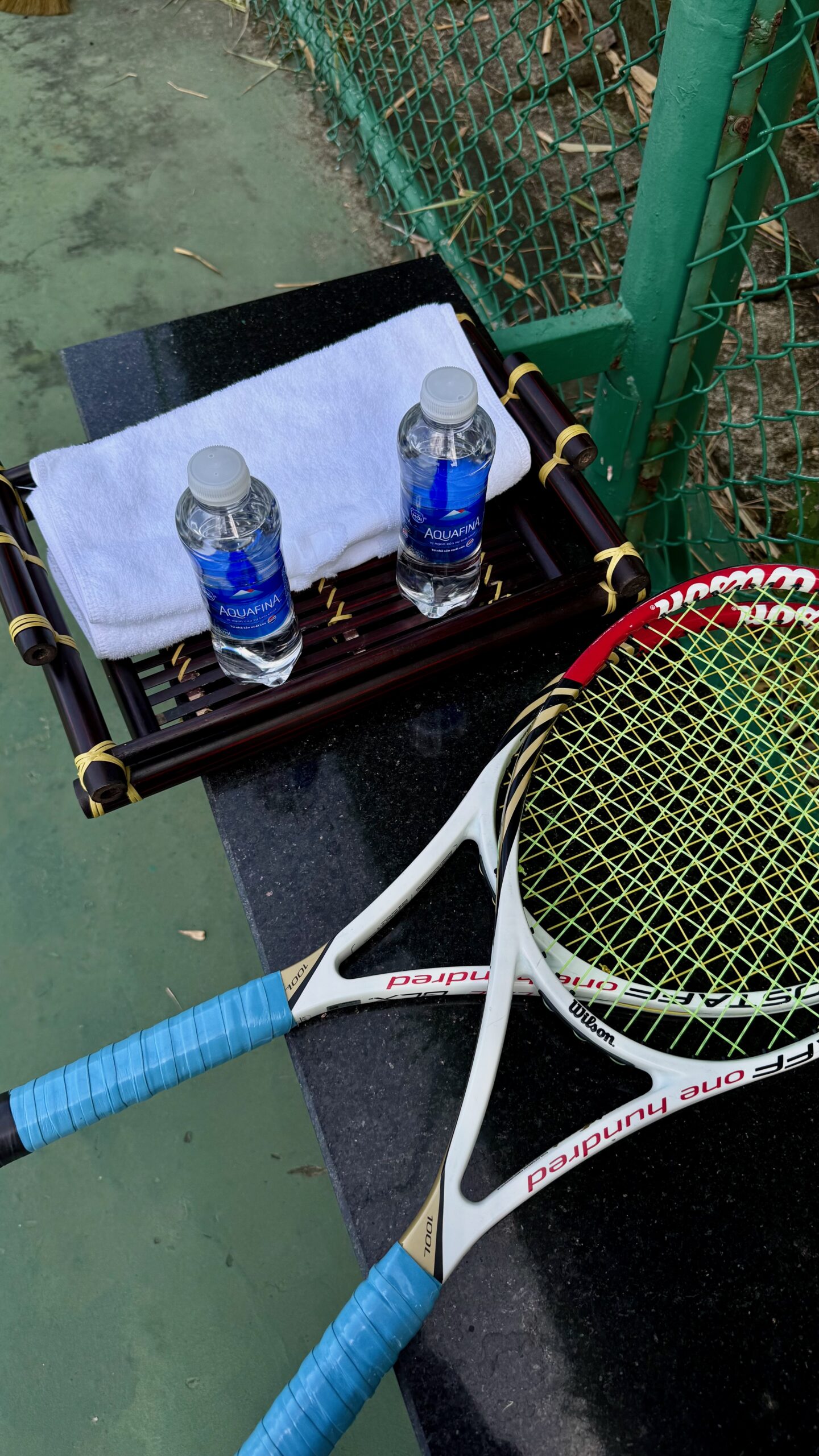
The resort was the whole point of this stop, so we leaned into it. We stayed at the Renaissance Danang Hoi An Resort & Spa, out on the beach. The rhythm here was always going to be slower than the rest of the trip. Mostly it delivered. We found coconuts waiting in the room, the staff were warm, and the grounds are excellent: a big pool, beach access, free tennis and a good gym. Our rate included a 60-minute massage, which I would take without hesitation if it is in yours. Breakfast was a highlight in its own right: coconut and Vietnamese coffee, and a real mix of Western and Vietnamese dishes. You can also order plates to your table.
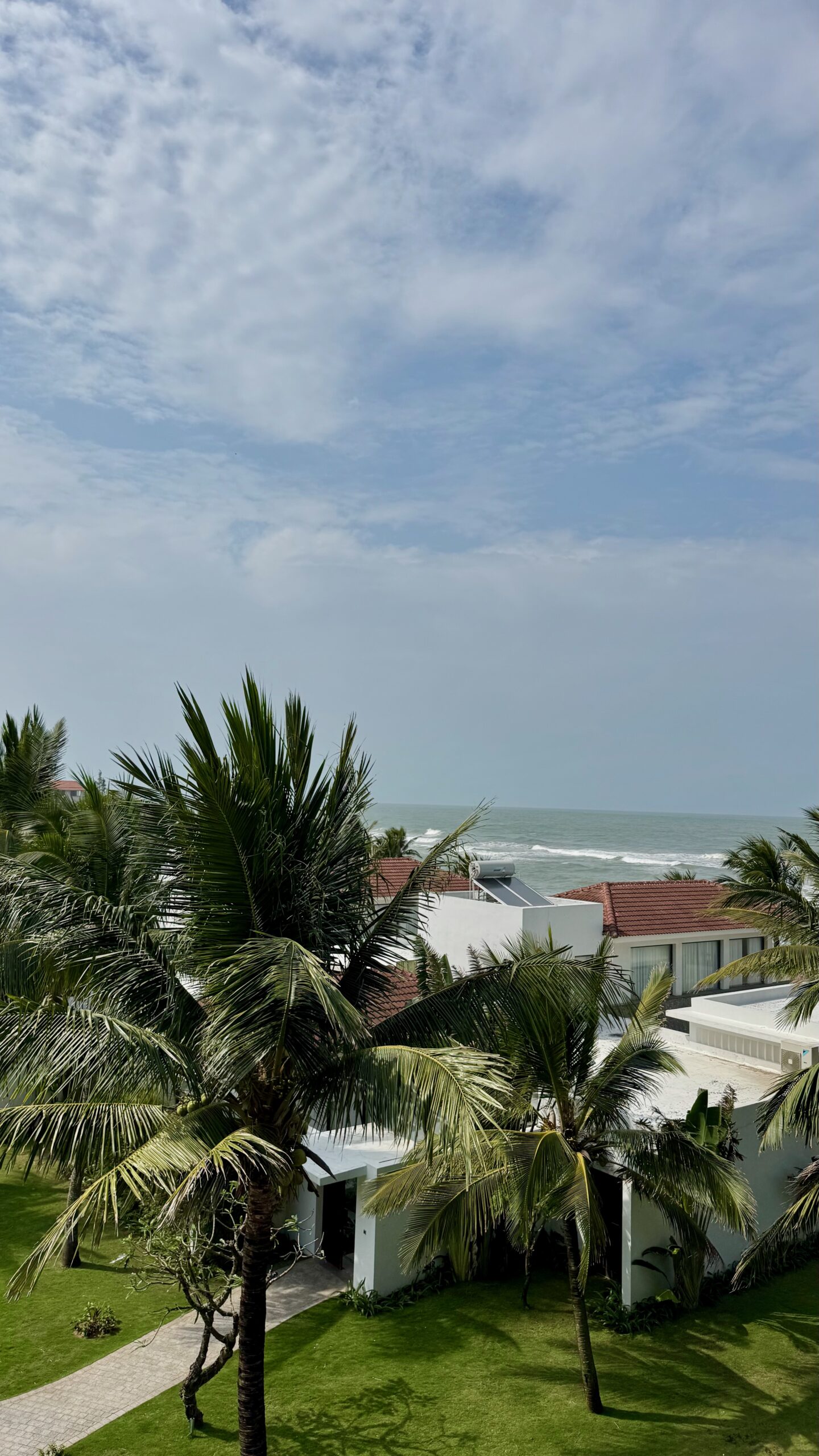
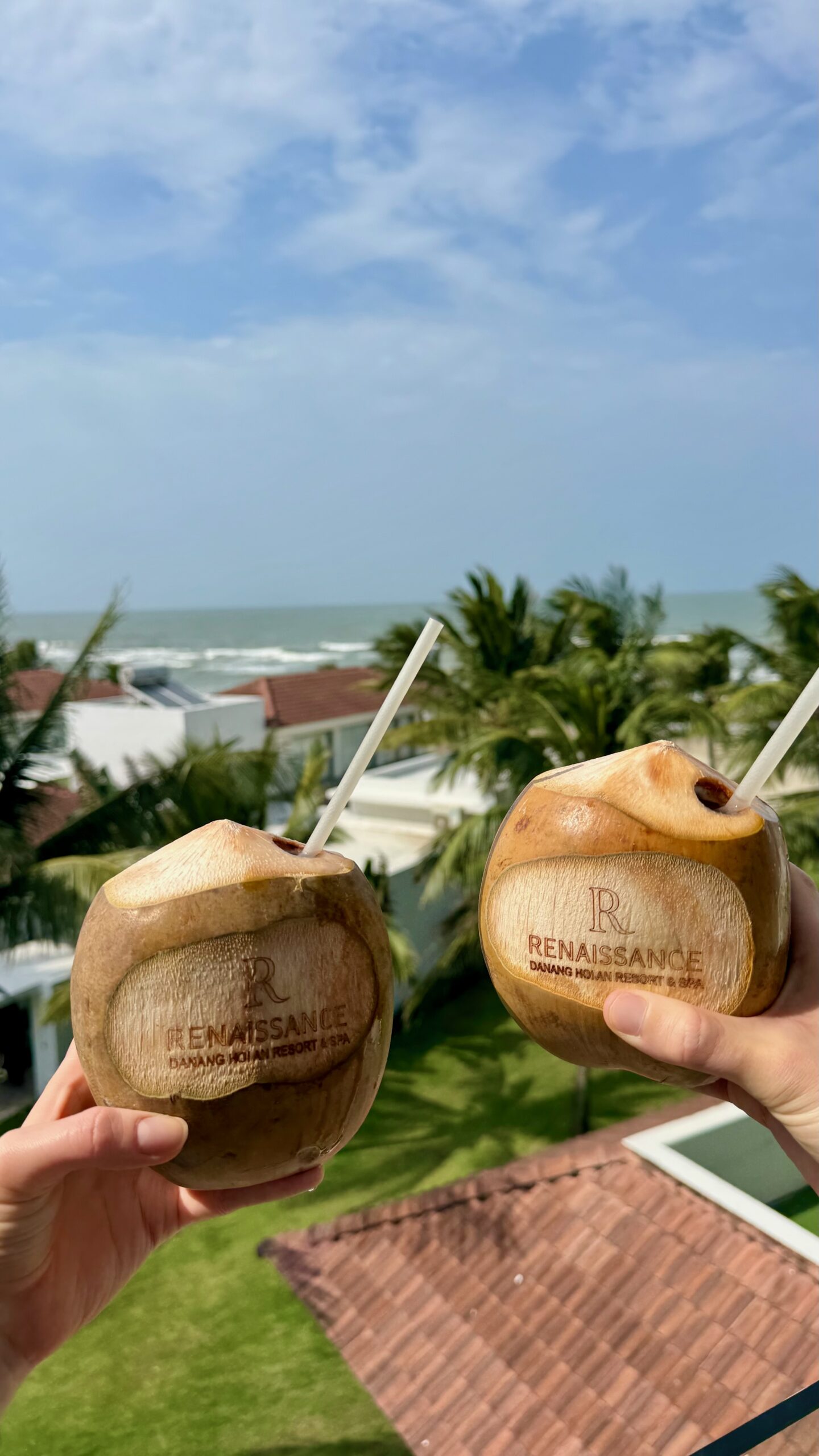
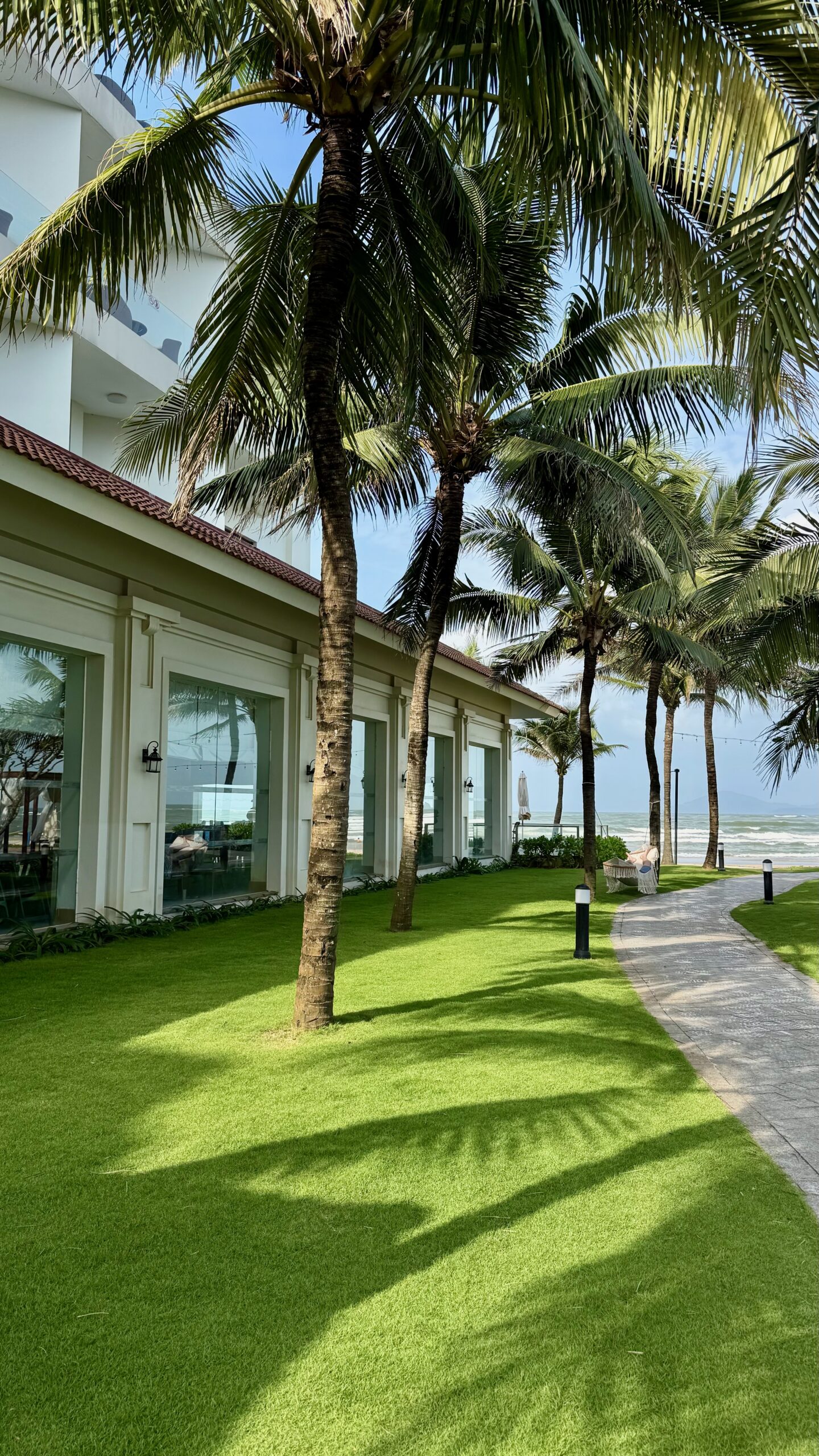
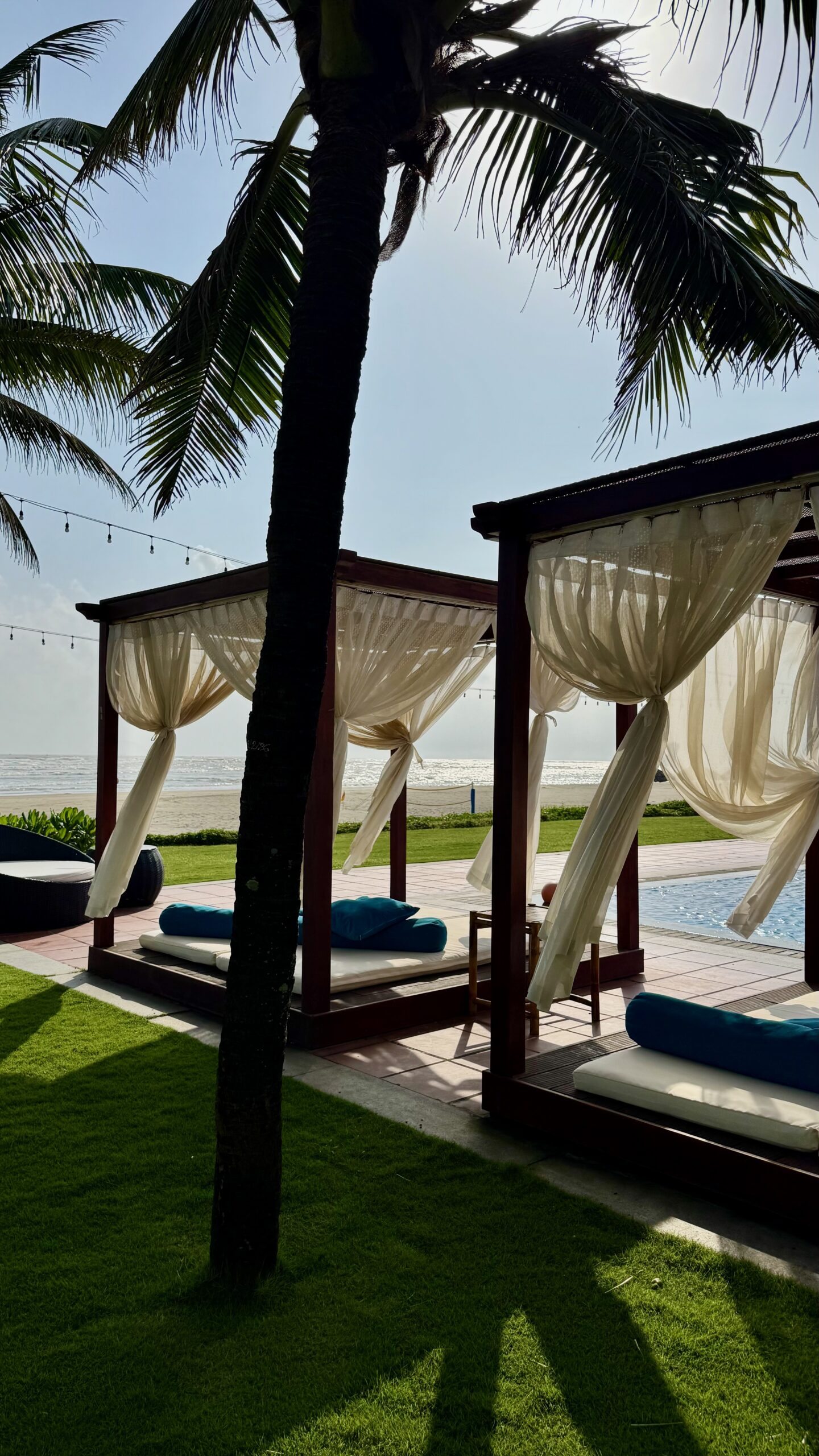
Two things kept it from a clean 10. We did not get a room upgrade. The better rooms were apparently full, though the place did not feel near capacity, and at most other chains this has worked for us. The prices are the other thing to plan for. At Western chains in Vietnam you pay close to US and EU rates for everything. A coconut that costs around 20,000đ (about €0.65 / $0.75) on the street is about 300,000đ (about €10 / $11.40) here, more than ten times over. Food, drinks and any extra massages scale the same way. The setting earns some of it, and that massage really was lovely. Just go in aware, and maybe do your coconut drinking in town. One on-site restaurant also sat closed during our stay. The net is a near-perfect place to switch off, swim and move a bit, with the missing upgrade and the markup the only dents.
Where to eat
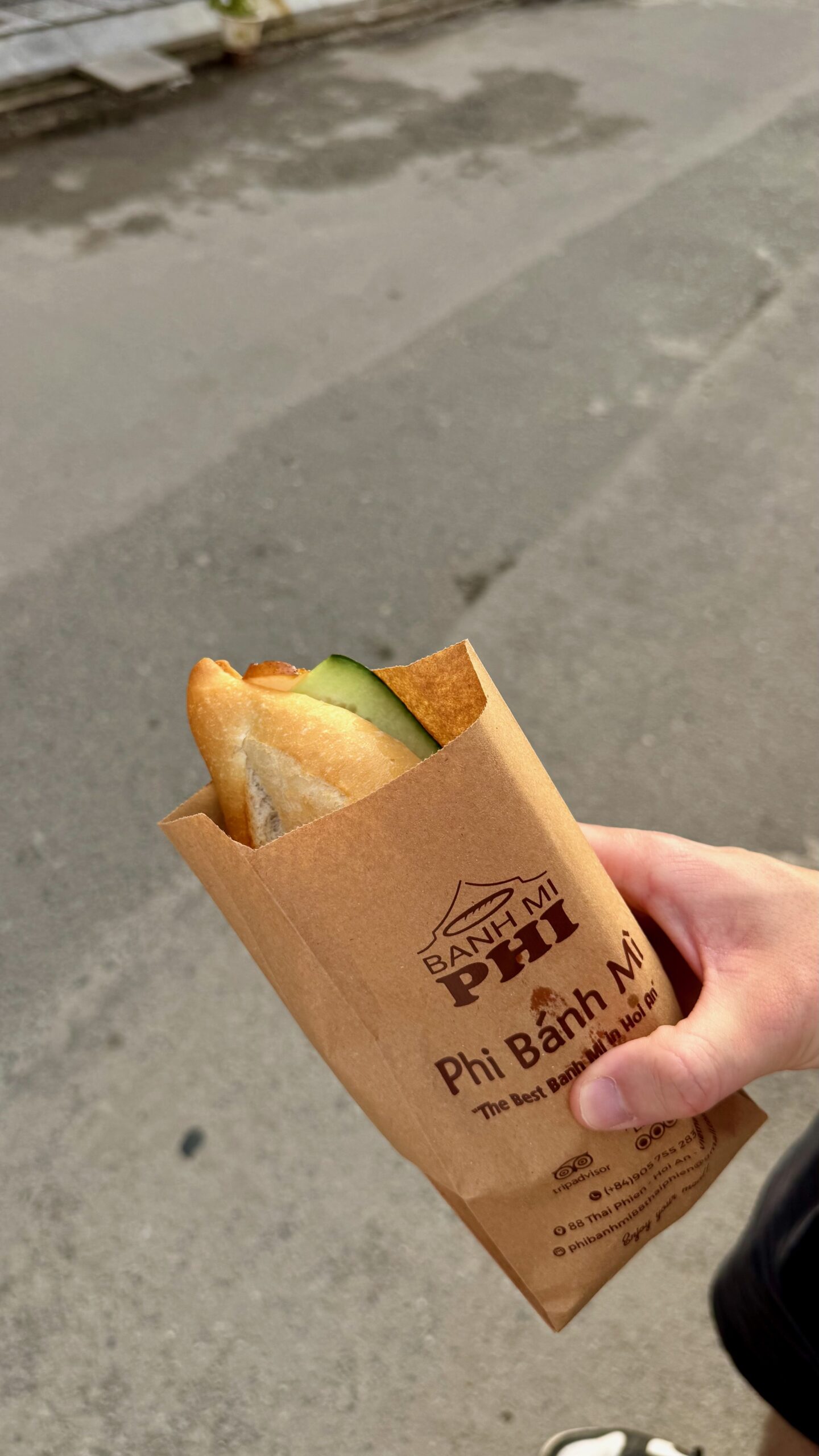
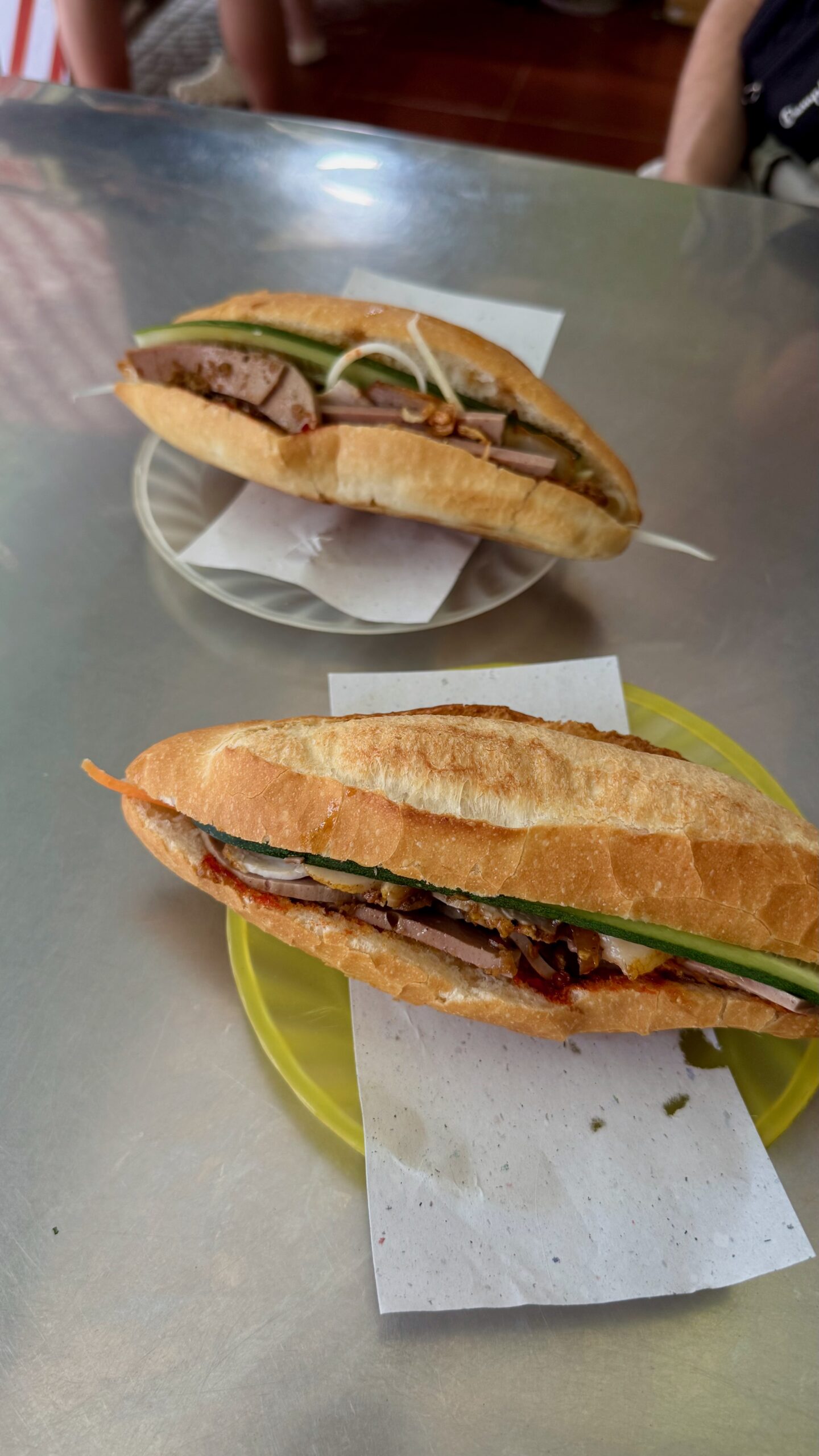
The most memorable thing about Hoi An, for me, was something I did not see coming. Five minutes off the main streets is Phi Banh Mi, run by Phi and his wife Tâu. The bánh mì is five-spice braised pork belly with housemade pâté and chili, toasted over coals. It was the best bánh mì of the entire trip. The owner is the heart of it, a lovely man whose recommendation turned out to be the cheapest thing on the menu. There is even a resident iguana keeping watch. It was good enough that we went back a second time. If you are in Hoi An, go.
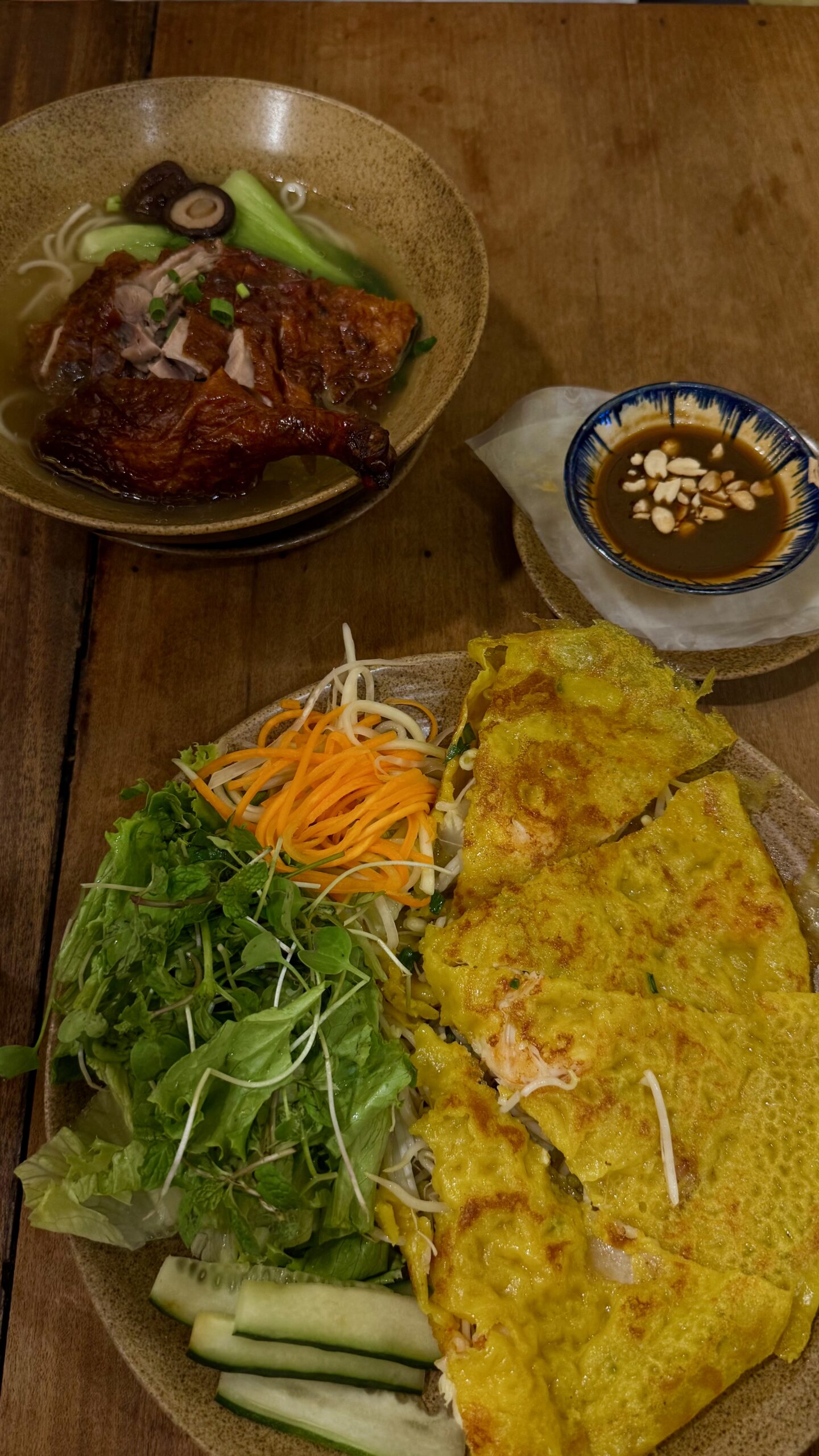
Cơm Linh was excellent too. Locals come for the roast duck, served with garlic rice or noodles, or in a duck phở. A meal runs about 100,000–200,000đ (about €3.30–6.60 / $3.80–7.60). Expect to wait around 20 minutes during the busy stretch. Note that it closes on the 1st and 15th of each lunar month.
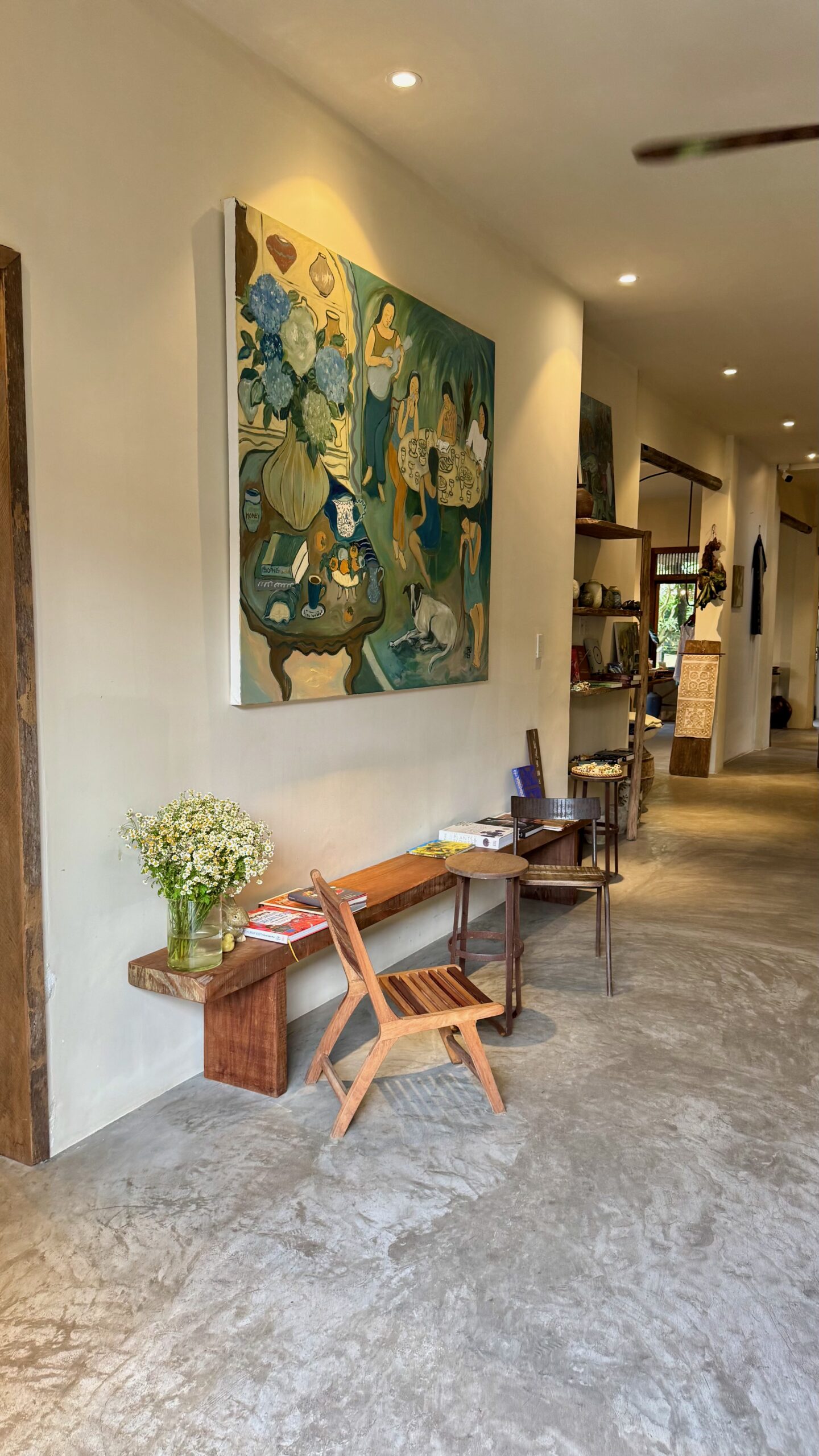
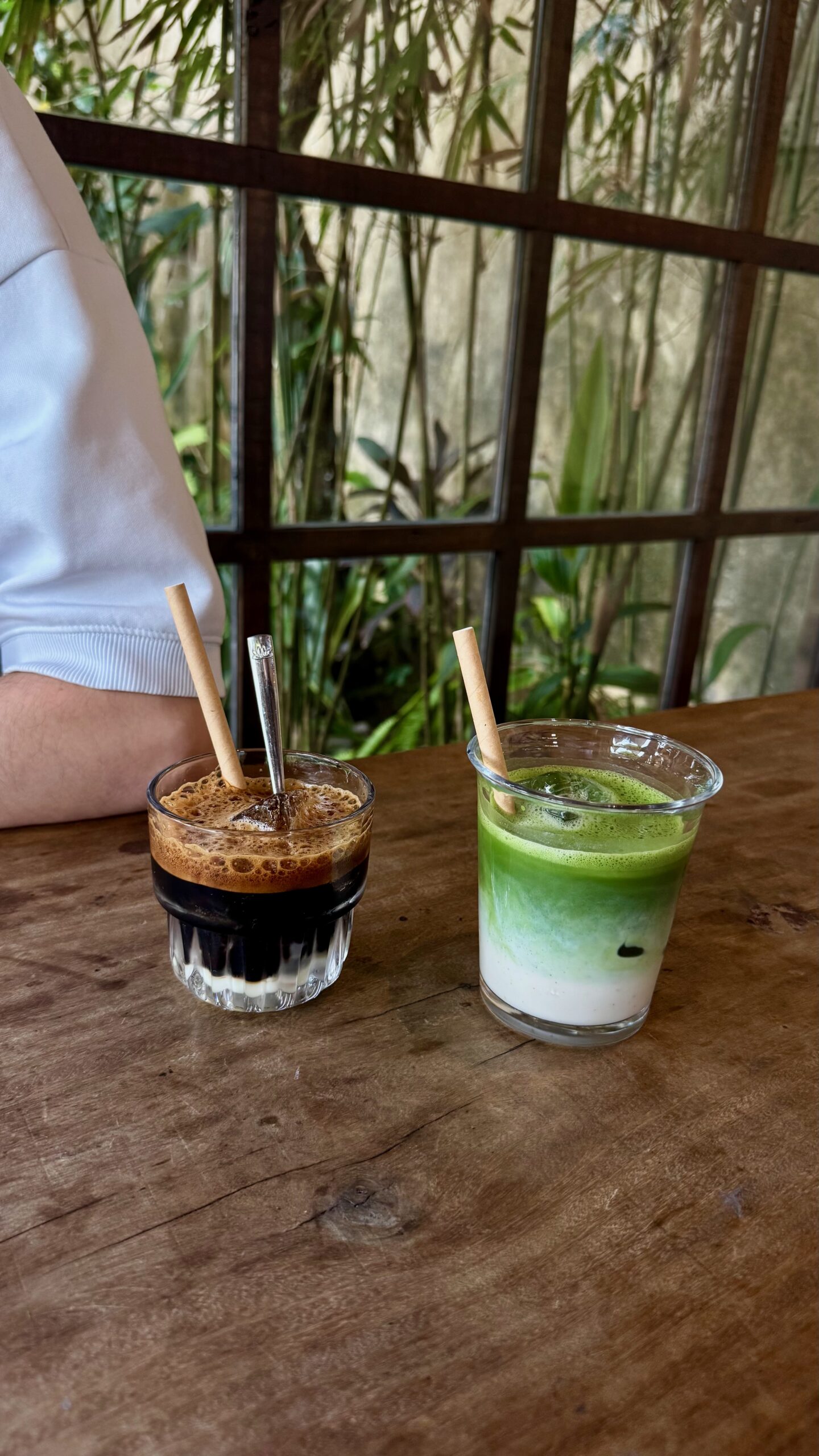
Out near the resort, two garden cafes share the address at 303 Cửa Đại, a short Grab from the beach. Kaymai is a greenhouse-like spot for a coffee, with drinks from around 60,000đ (about €2 / $2.30); try the salted-cream coffee. Hana Pan, the artisan bakery beside it, blends Vietnamese and Japanese baking and does very good matcha and coffee. It doubles as a cute little shop with nice bits to browse.
If you go
Two nights in Hoi An is the right length for the way we used it: a slow pause, not a sightseeing sprint. It is enough to settle into the resort, swim, eat well, and dip into the Old Town once or twice for the lanterns. You will not burn out on the crowds. Pair it with Ha Long Bay and the rest of a busy Vietnam route, and treat it as the breather in the middle.