We were supposed to fly Doha to Osaka. The flight didn’t work out, so we spent the night of 23 March in Seoul. The next morning, the only staff-travel seat going anywhere useful was Incheon to Nagoya. We landed late on 24 March, took the Shinkansen straight to Kyoto Station, and reached the city in under two hours. Kyoto had always been our planned first stop; only the airport changed.
The route through Kyoto, Kanazawa and Tokyo was fixed in advance and never changed. Only the way in was improvised. If you’re looking at a map of Japan and trying to choose an entry airport, work out the order of the cities first.
This is how we structured 12 nights in Japan from 24 March to 5 April 2025, what the trains and hotels cost, and what we would change.
The shape of the trip
| Stop | Nights | What it’s for |
|---|---|---|
| Kyoto | 5 | Temples, ramen, the slow start |
| Kanazawa | 2 | A deliberate break in pace |
| Tokyo | 5 | Everything else |
Three stops, west to east, with no backtracking. Each leg moves you forward and none of them is longer than about two and a half hours.
Starting in Kyoto worked well for us. It is walkable, low-rise and easy to pace while adjusting to the time difference. Tokyo asks more of you: more transit, more ground, more decisions in a day. Leaving it until last, once the jet lag had passed, made sense.
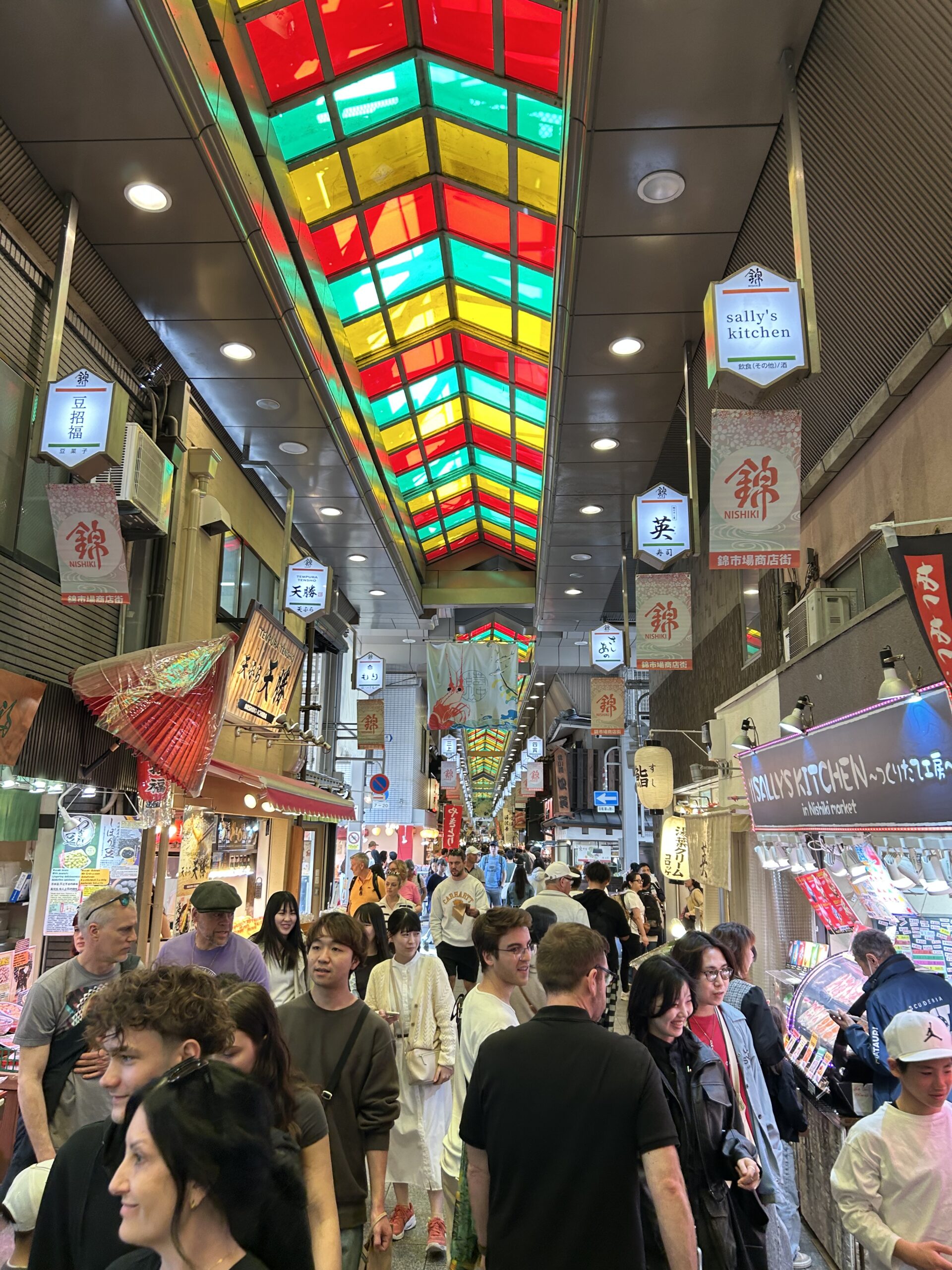
Getting in: you don’t have to fly into Tokyo or Osaka
Our arrival through Nagoya was unplanned, but it worked. Nagoya sits on the Tokaido Shinkansen line, and Kyoto is about 35 minutes away on a Nozomi. If you’re starting in Kansai and Osaka fares are high or seats are unavailable, Nagoya can be a practical alternative.
If you travel standby or use flexible fares, build some headroom into the itinerary. We leave spare days between landing in Asia and the first fixed booking. In this case the failed flight cost us a night in Seoul, but the Kyoto reservation stayed intact.
The trains, leg by leg
All three legs were booked as individual reserved seats in advance. We bought them at the ticket machines in the stations, a day or two ahead of each journey. The machines have an English mode and take foreign cards, and we never queued for long. Reserved seats are worth booking during cherry blossom season. The Kagayaki to Tokyo doesn’t give you a choice because every seat is reserved.
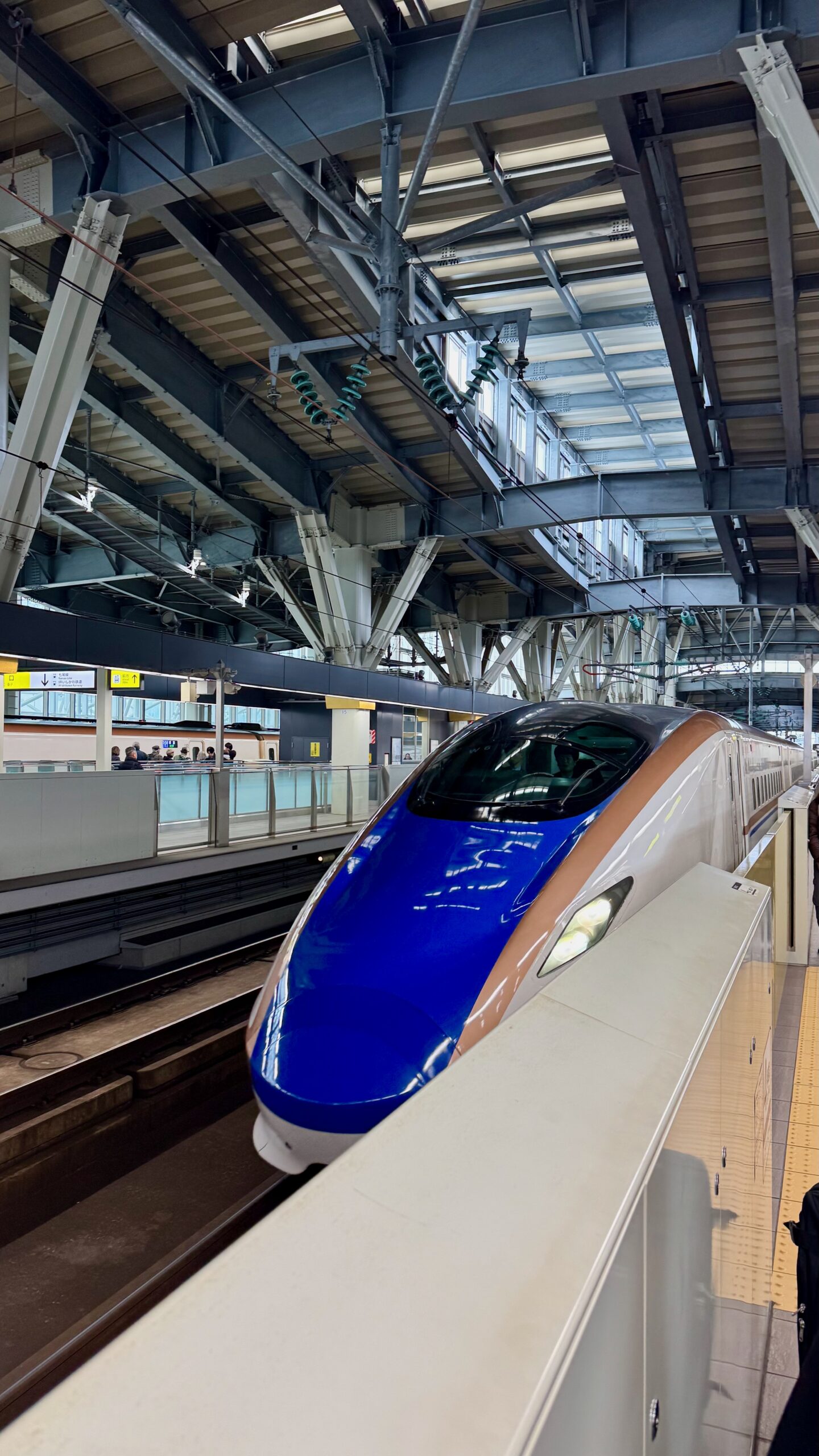
Nagoya to Kyoto. About 35 minutes on a Nozomi. ¥5,910 reserved (about €32 / $36), or ¥5,700 on a Hikari. Unreserved is ¥5,170 if you’d rather just walk on.
Kyoto to Kanazawa. About two hours all in, and no longer a single train. Since 16 March 2024, when the Hokuriku Shinkansen extended to Tsuruga, you take a Thunderbird from Kyoto to Tsuruga, roughly 45 minutes, then change to a Hokuriku Shinkansen for the run into Kanazawa. The transfer is timed and clearly signed, with 8 to 15 minutes between trains depending on the connection. It is barely quicker than the old direct Thunderbird; what actually changed is that you now change trains. Guides written before spring 2024 still describe it as one.
We paid ¥7,720 reserved (about €41 / $47) at the machine. Worth knowing: JR West sells a Hokuriku One-way Ticket covering exactly this Kyoto to Kanazawa journey at ¥6,500 for temporary visitors. We didn’t use it, because it can only be bought through a travel agency outside Japan, not at any station once you have arrived. If you are organised, that is about €6 each saved.
Kanazawa to Tokyo. The Kagayaki takes 2 hours 28 minutes and costs ¥14,380 reserved (about €77 / $88). All seats are reserved.
Skip the JR Pass: the arithmetic
For this route, the Japan Rail Pass was poor value, and we can show it from the receipts rather than the brochure. Every JR ticket we bought across the whole trip, covering the three intercity legs and all the local journeys, came to €346.76 for the two of us.
Two 7-day ordinary passes would have cost ¥100,000, roughly €536. That is about 55% more than we actually spent. Our three intercity journeys also ran from 24 to 31 March, eight calendar days inclusive, so a seven-day pass would have missed one of them. Covering all three would have meant the 14-day version at ¥80,000 each.
For context, a 7-day ordinary pass costs ¥50,000 (about €268 / $305) and the 14-day is ¥80,000 (about €429 / $488). Prices rose by 65–70% on 1 October 2023, when the 7-day pass went up from ¥29,650. They rise again on 1 October 2026, but only for passes bought through overseas agencies, to ¥53,000 and ¥84,000. Buying through the official online reservation service holds the ¥50,000 and ¥80,000 prices for now.
A pass can pay off when several long journeys fall inside a short window, such as Tokyo to Hiroshima and back with additional day trips. For a one-direction route spread across nearly two weeks, price the individual legs first.
Forward your luggage
We sent our bags ahead between cities rather than carrying them onto the trains. Two city-to-city forwards plus a day of station storage came to €70.90, the best value of anything we paid for on the ground. Shinkansen luggage space is limited and oversized bags need a reserved slot.
Both hotels arranged it at the front desk, so we never dealt with the courier ourselves. You hand the bags over at checkout and they are waiting in your next room. Most hotels use Yamato’s Ta-Q-Bin, which quotes delivery the following day or the day after that depending on the route. Pack an overnight bag with whatever you need for that evening and the following morning.
Phone, data and paying for things
Data. We used Holafly: two 15-day unlimited-data eSIMs, €93.80 for the pair, so €46.90 each. We installed them before flying and switched them on when we landed. Unlimited is more than most people need in Japan, where hotel and café wifi is good, and a smaller plan would have cost less. What you are buying is not having to think about it.
Put an IC card on your phone before you land. We used a Suica in Apple Wallet for the whole trip, on subways, buses, konbini and vending machines, and never carried a physical card. You don’t need one: you can create a Suica straight in Wallet and top it up with a card, which worked without any trouble for us. Tapping through a gate with a phone is faster than digging out a card, and it is one less thing to lose. The physical tourist card, Welcome Suica, cannot be moved onto a phone, so if you want the digital version, start digital.
Two things are worth knowing before you rely on it. Some foreign-issued cards are widely reported to fail when topping up a Wallet Suica, Visa most often of all. Ours gave us no problems, but it costs nothing to have a Mastercard or an Amex available as a backup.
Then think about the balance before you load it up. A standard Mobile Suica can only be refunded to a Japanese bank account, which you will not have. JR East also offers a Welcome Suica Mobile app, which lives in Apple Wallet and runs for 180 days, but its remaining balance cannot be refunded at all. Either way, run the balance down before you fly home. It works in most shops at the airport, so spend the last of it on the way out.
How long each city actually earns
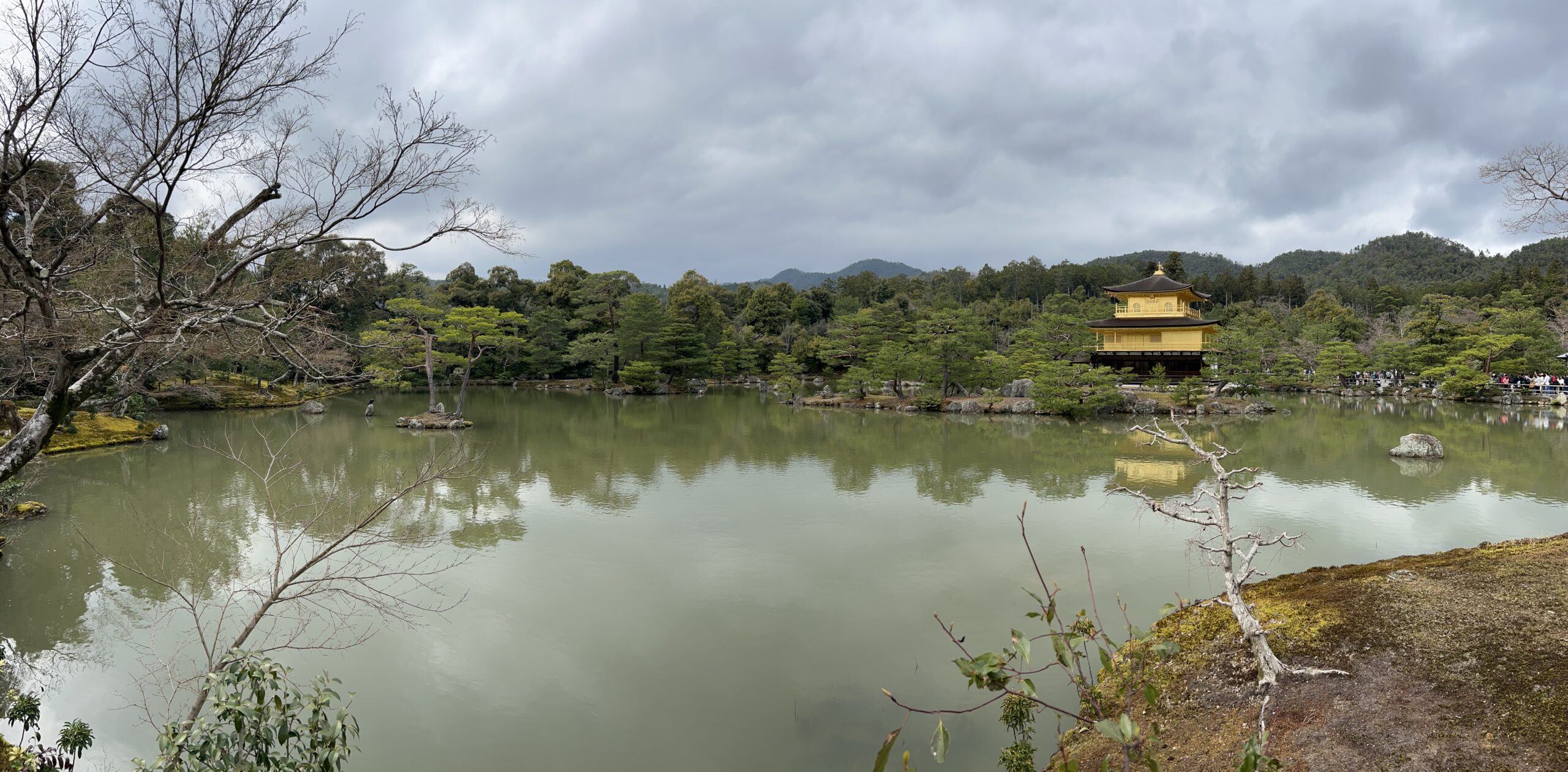
Kyoto: five nights, and we’d give one back. Five was slightly generous. Four covers the temples, the ramen and the markets comfortably, and the breakfast places are worth building the mornings around. We stayed at the Holiday Inn Kyoto Gojo, five nights for €816.36, or about €163 a night.
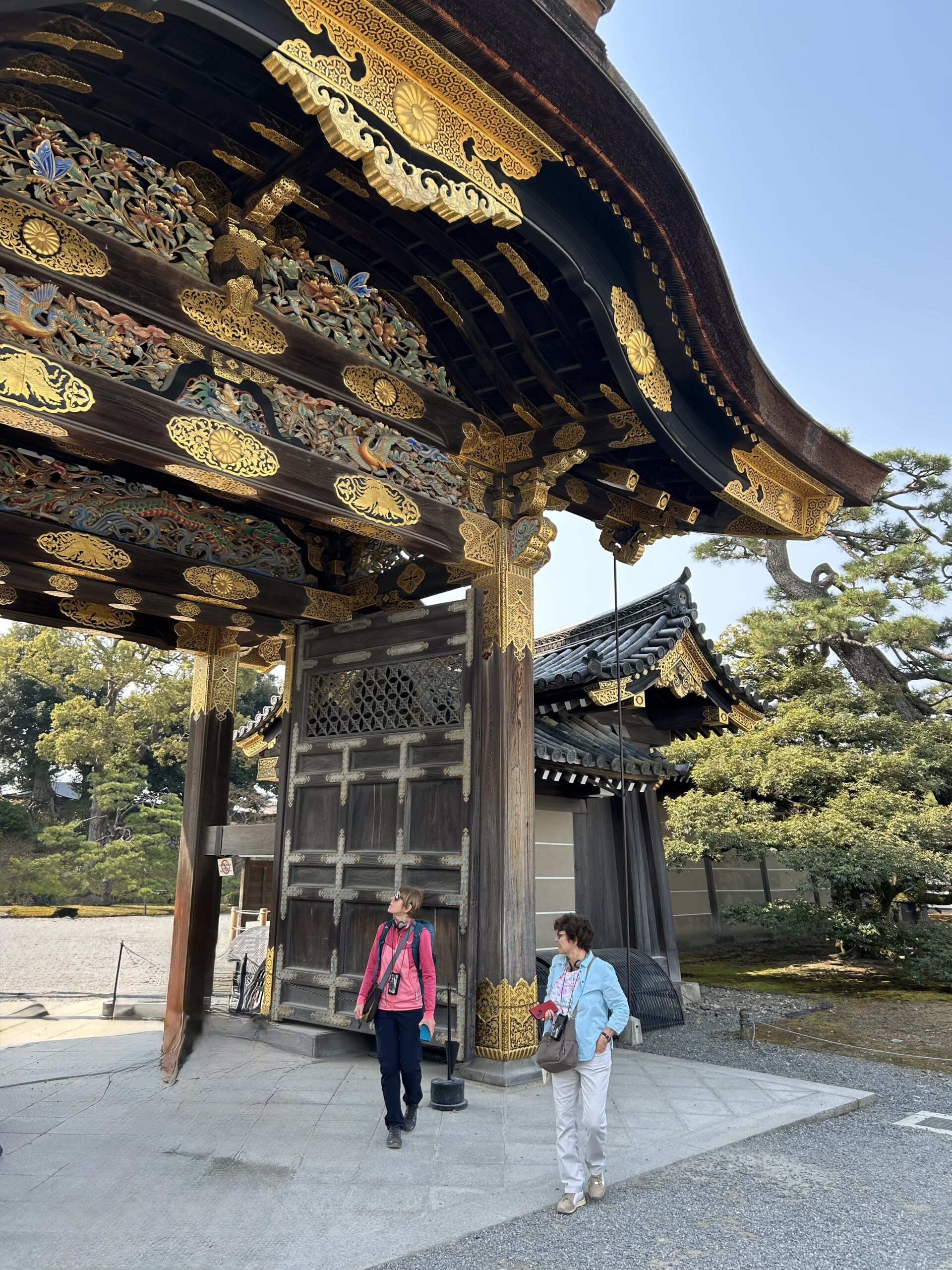
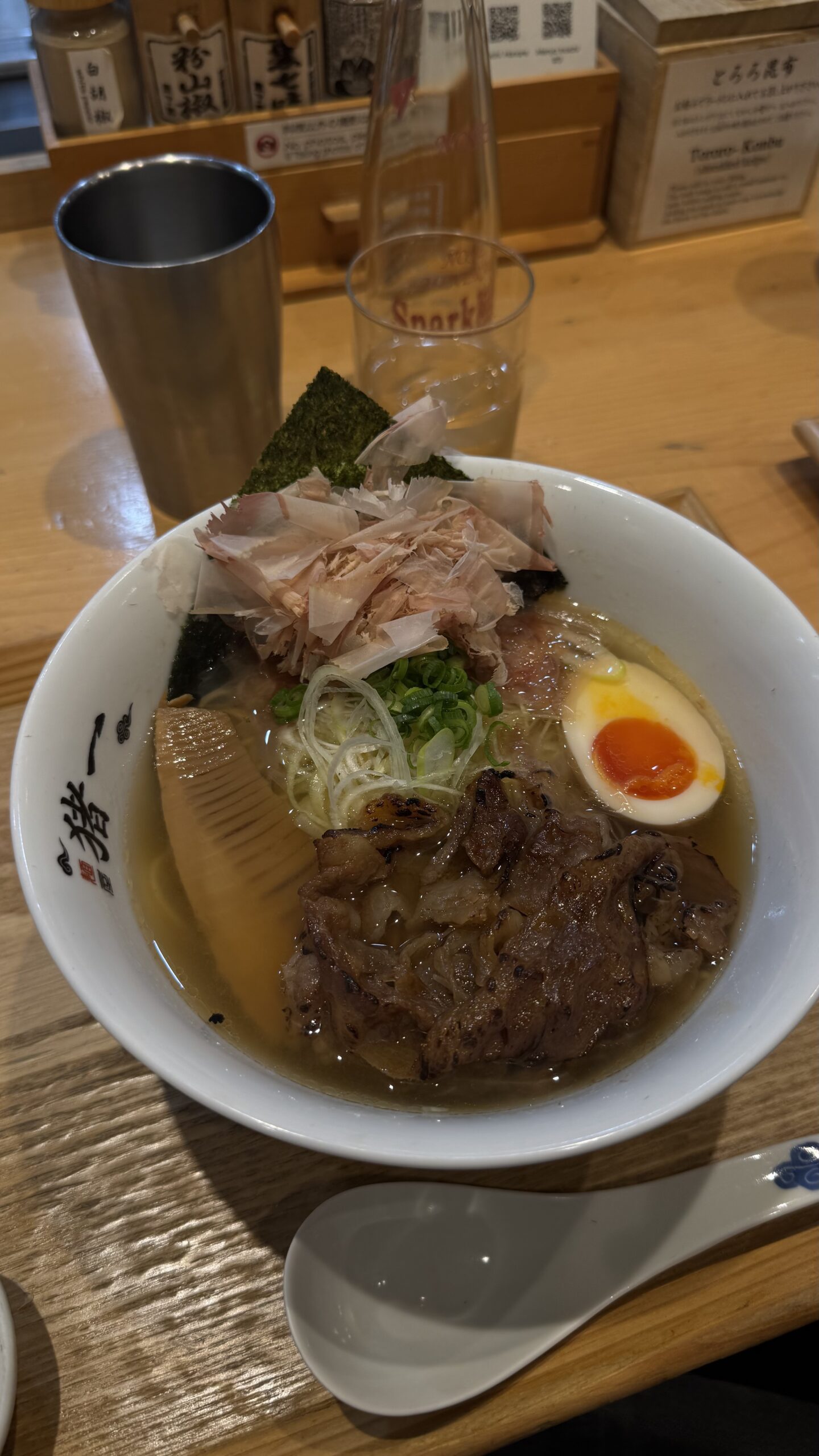
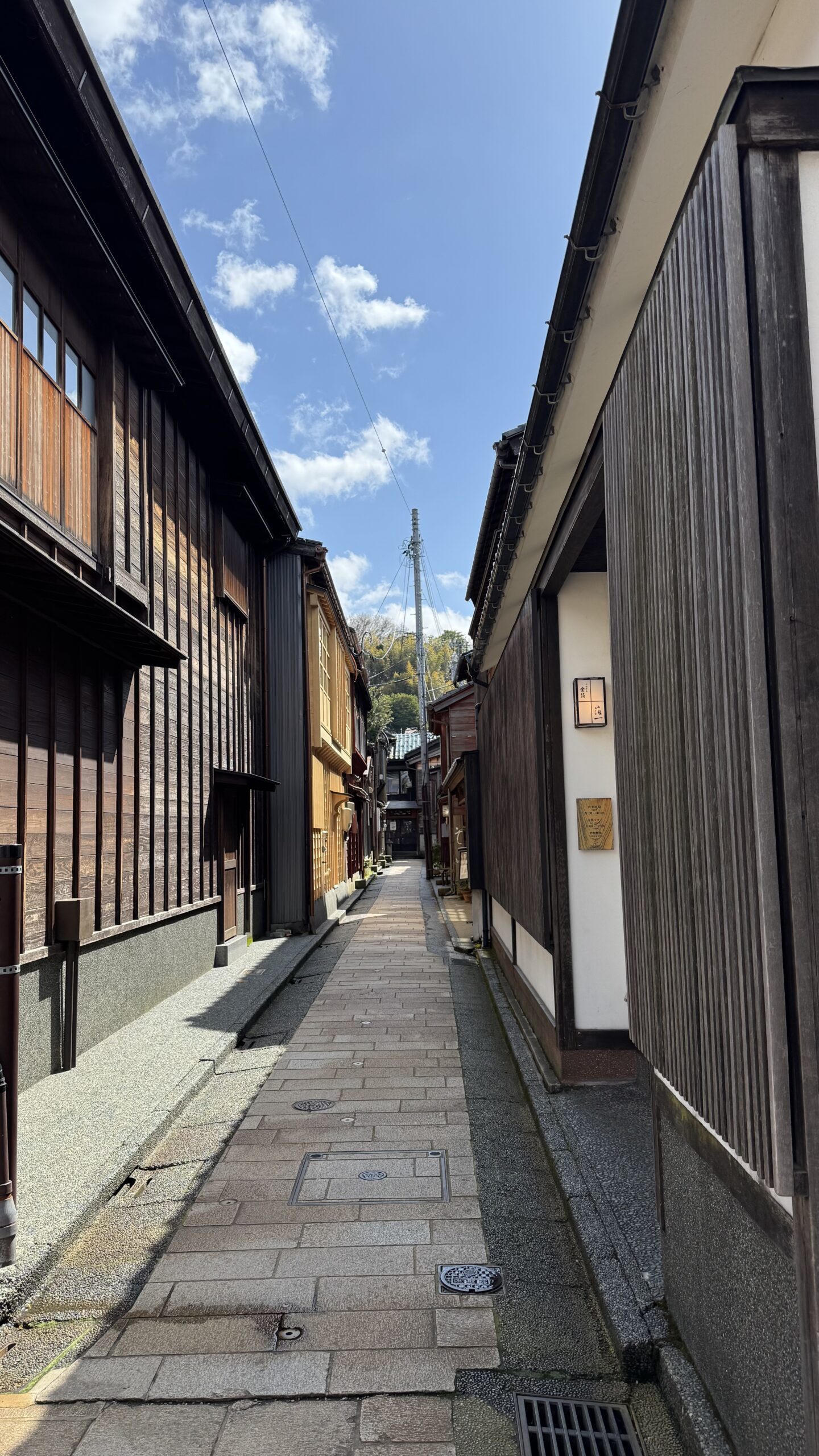
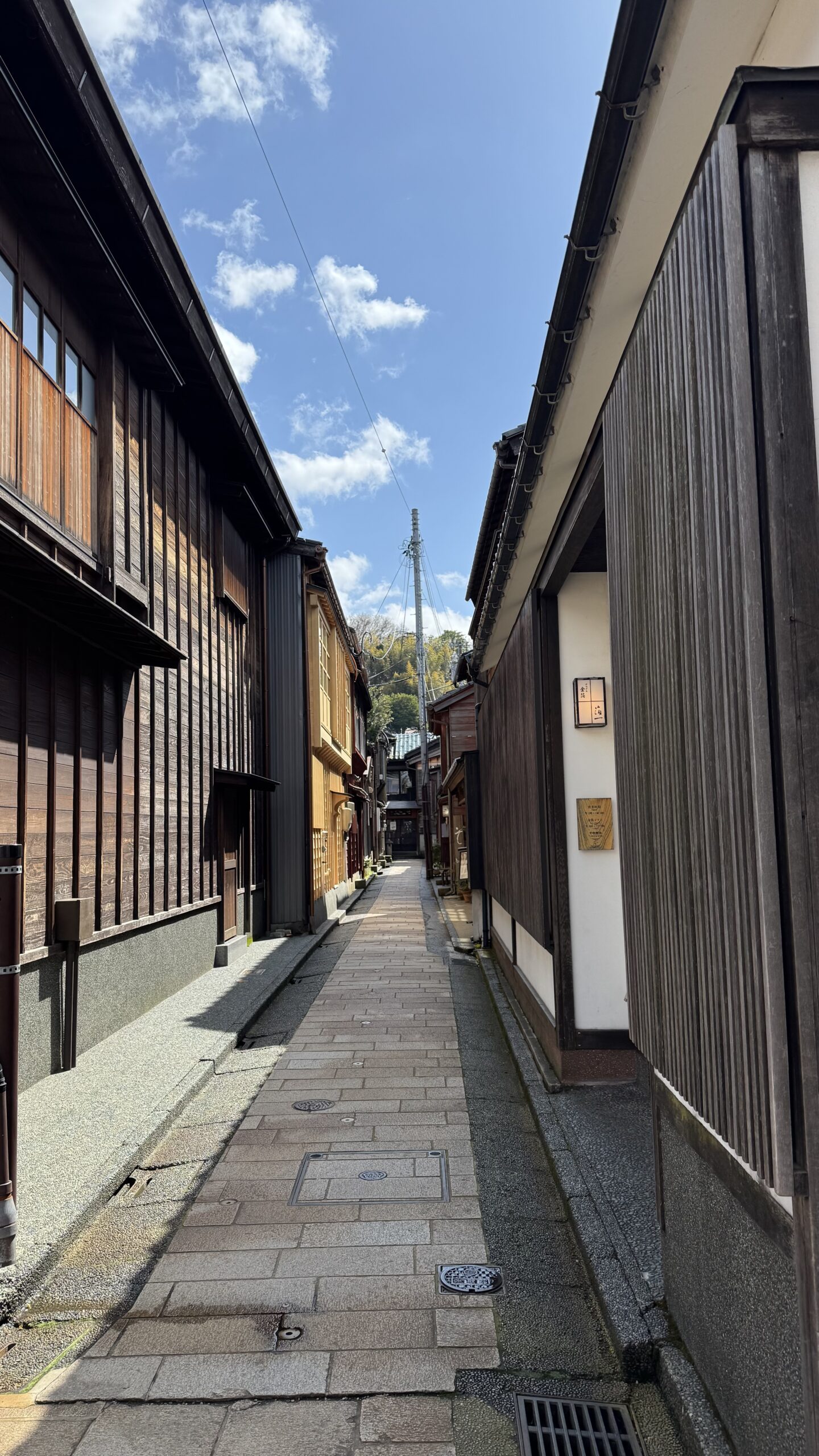
Kanazawa: two nights, and one would do. This is our clearest verdict. Two nights was more than enough. Kenroku-en, Omicho Market and the Higashi Chaya district fill a day comfortably, and the city was noticeably less touristed than Kyoto or Tokyo. If you do want to stay longer than a night or two, stay for the baths and the surrounding nature, not because the city has more sights to work through. It doesn’t, and that isn’t a criticism. Its quieter pace works well between Kyoto and Tokyo, and the omakase at Sushi Rekireki Omicho, at €82.13 for two, is the reason to book the evening.
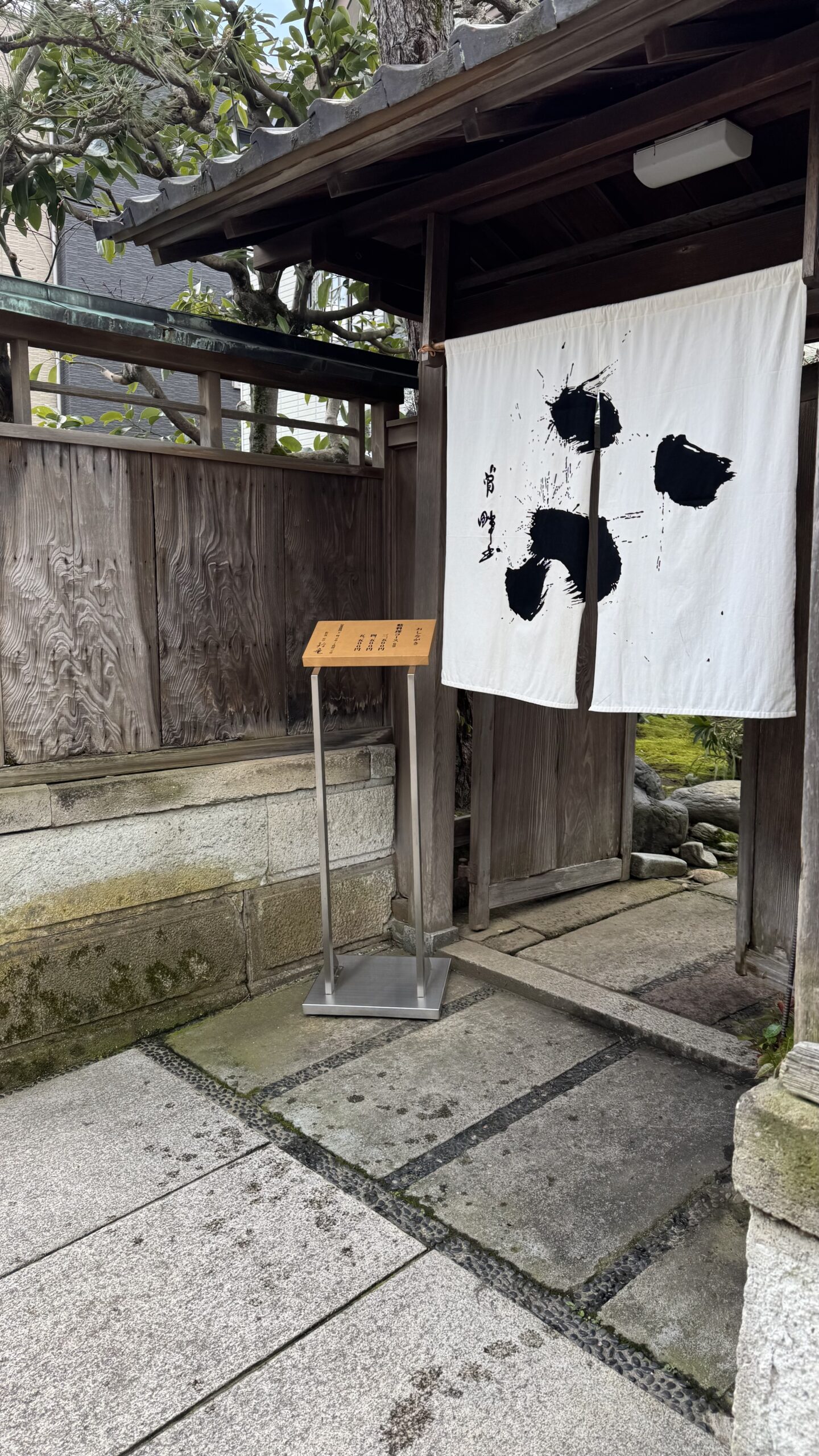
One thing worth flagging: The Sanraku Kanazawa was the most expensive room of the entire trip, at €695.57 for two nights, about €348 a night, more than double what we paid in Kyoto. It is a lovely hotel and the staff were excellent, but at that rate there was no spa, no gym, and nothing beyond the room, the restaurant and a small gift shop. For a five-star at €348 a night we expected more. The shortest stop on the route was the priciest per night, which is worth knowing before you book it.
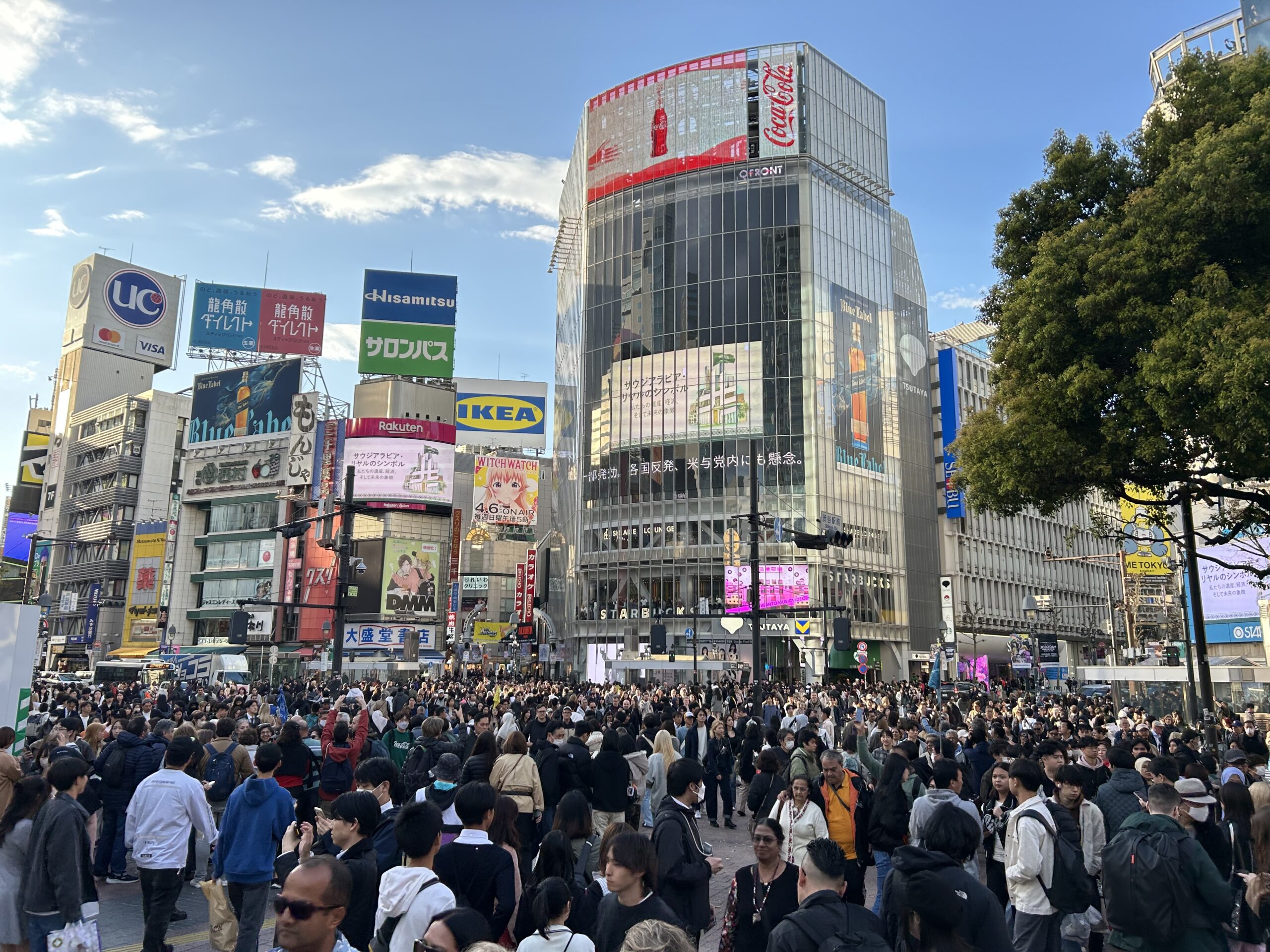
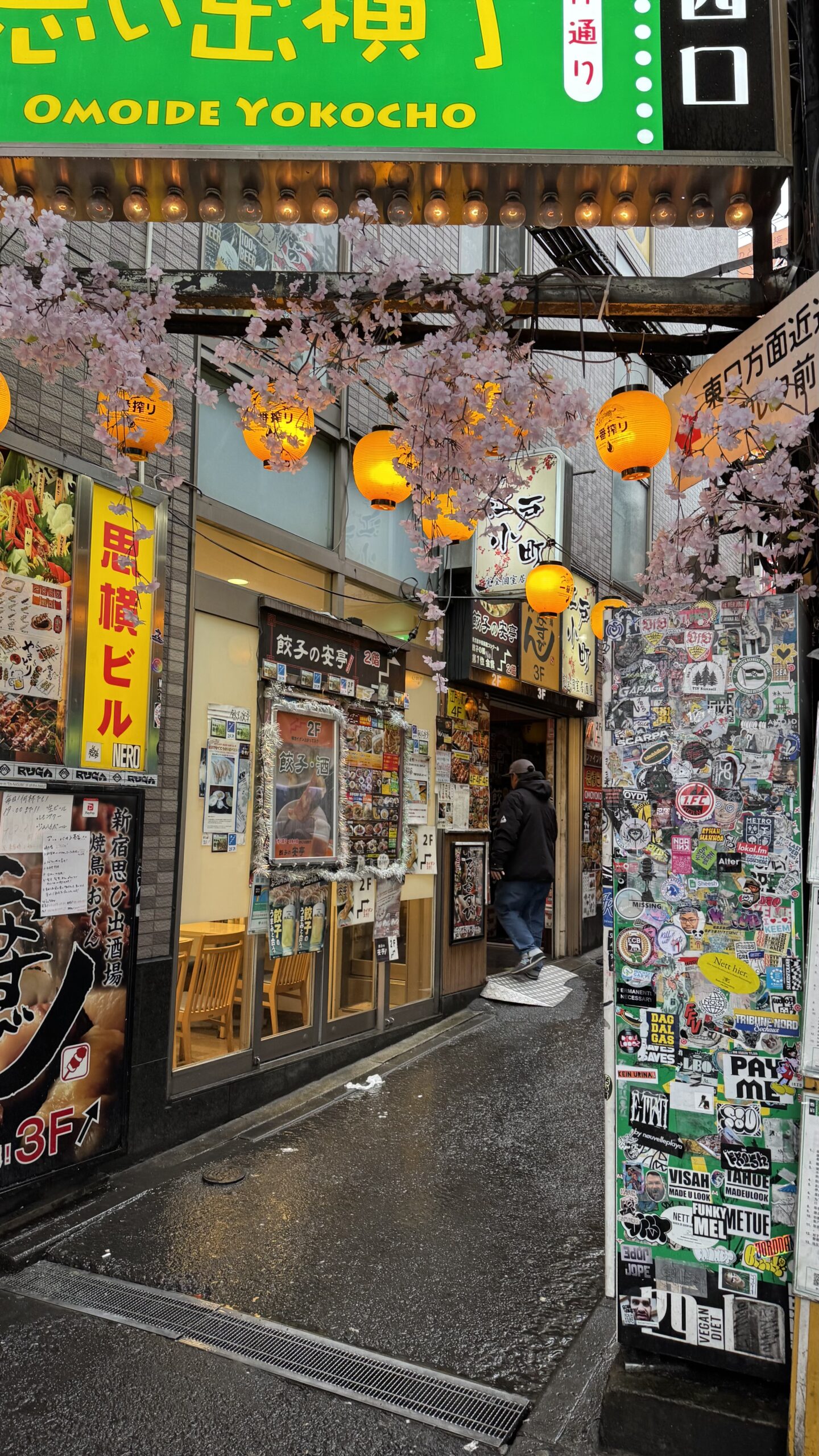
Tokyo: five nights, and we’d keep all five. Five gave us enough time for Shibuya, Asakusa, Skytree, Ginza and the alleys while leaving plenty for another trip. We booked Oakwood Apartments Nishi-Shinjuku rather than a hotel, at €1,120 for five nights, about €224 a night. On a stay this long an apartment earns its keep: laundry, space to unpack, and somewhere to sit that isn’t the end of a bed.
What 12 nights actually cost
Two people, 12 nights, everything on the ground in Japan: €4,325.81, or €2,162.91 each, about €180 per person per day.
Hotels were 61% of that at €2,631.93, which is what cherry blossom season does to a room rate. Food, drink, sights and shopping came to roughly €993. Everything else was minor: JR tickets €346.76, the eSIMs €93.80, luggage forwarding and storage €70.90, and the remainder on local transit.
What’s worth noticing is where the money isn’t. Trains, data and luggage together came to about €511, under 12% of the trip. Japan has a reputation for expensive rail, and the JR Pass marketing leans on it, but accommodation is the number that actually decides what a trip here costs. In blossom season it decides it emphatically.
That figure deliberately excludes international flights. We travel on staff tickets, so what we paid to get to Japan and home again bears no relation to what you would pay, and averaging it in would make the number useless. Everything above is what the trip cost once we were on the ground, which is the part you can actually plan against.
What we’d change
If we rebuilt the same 12-night Japan route, we would take one night from Kyoto and one from Kanazawa, then give those two nights to Osaka.
We did not visit Osaka; the Osaka flight was the one that fell through. This is therefore an untested alternative, not a first-hand recommendation. If the original Osaka arrival had worked, our revised order would be Osaka for two nights, Kyoto for four, Kanazawa for one and Tokyo for five.
Timing: late March into early April
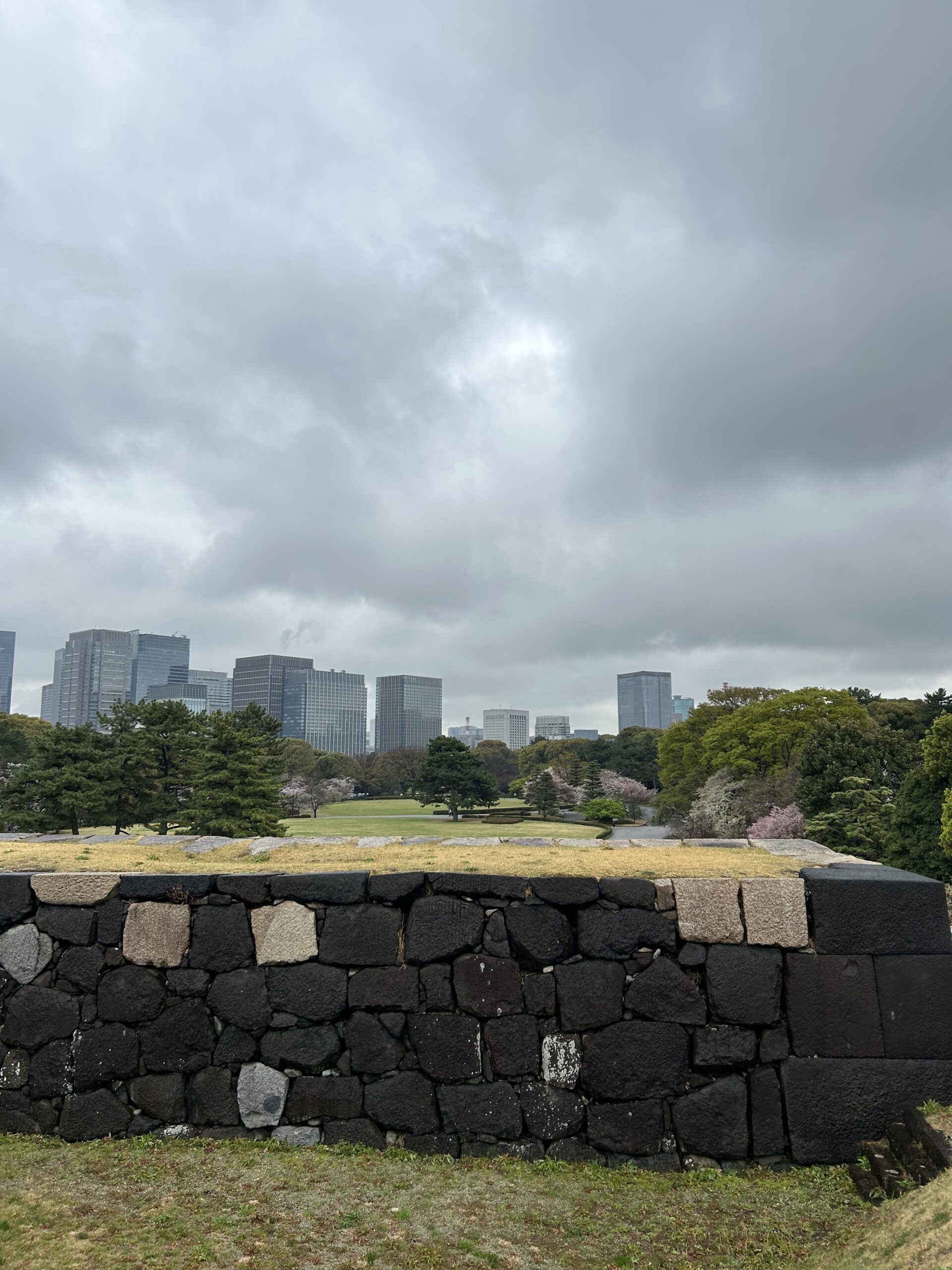
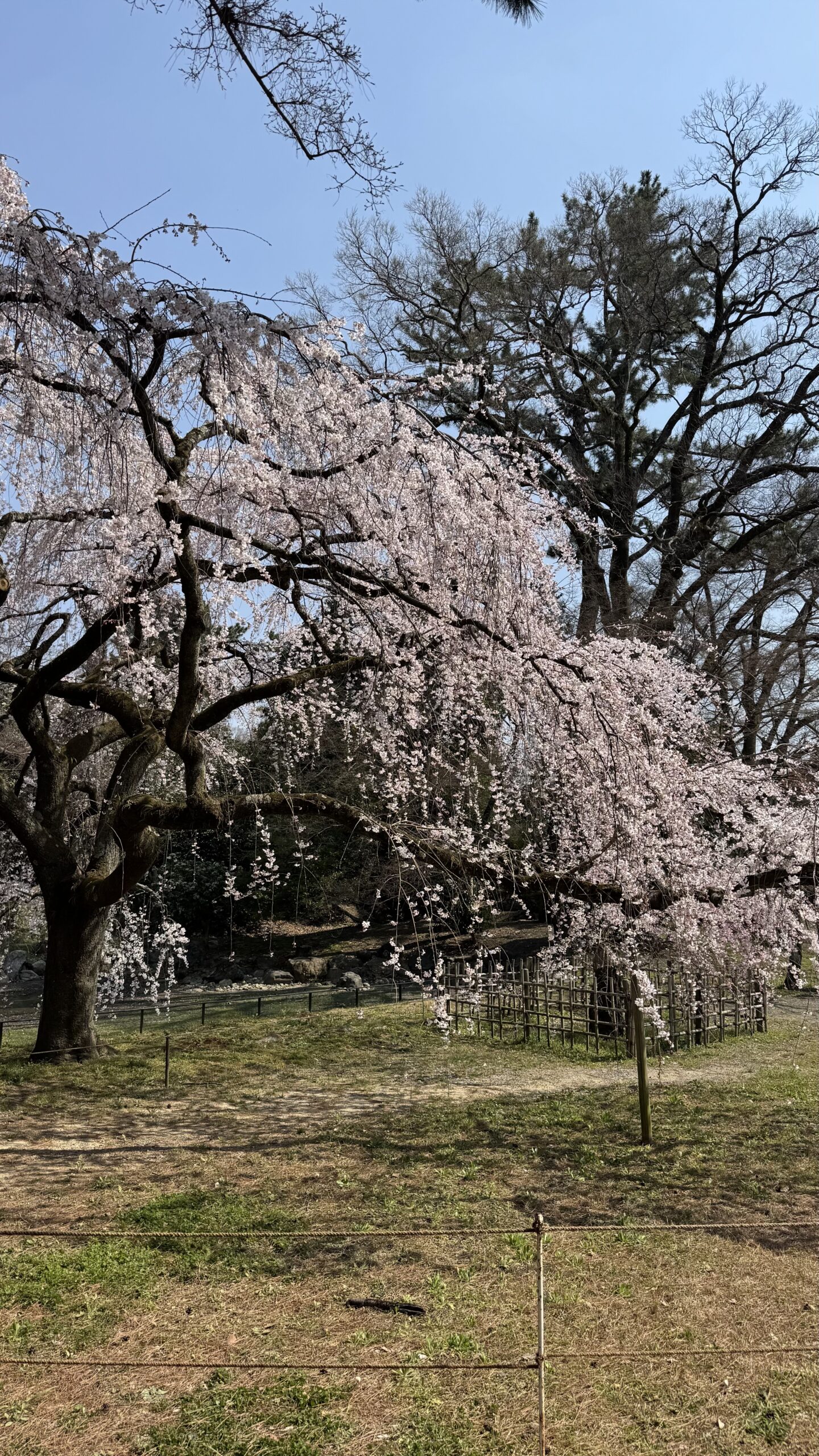
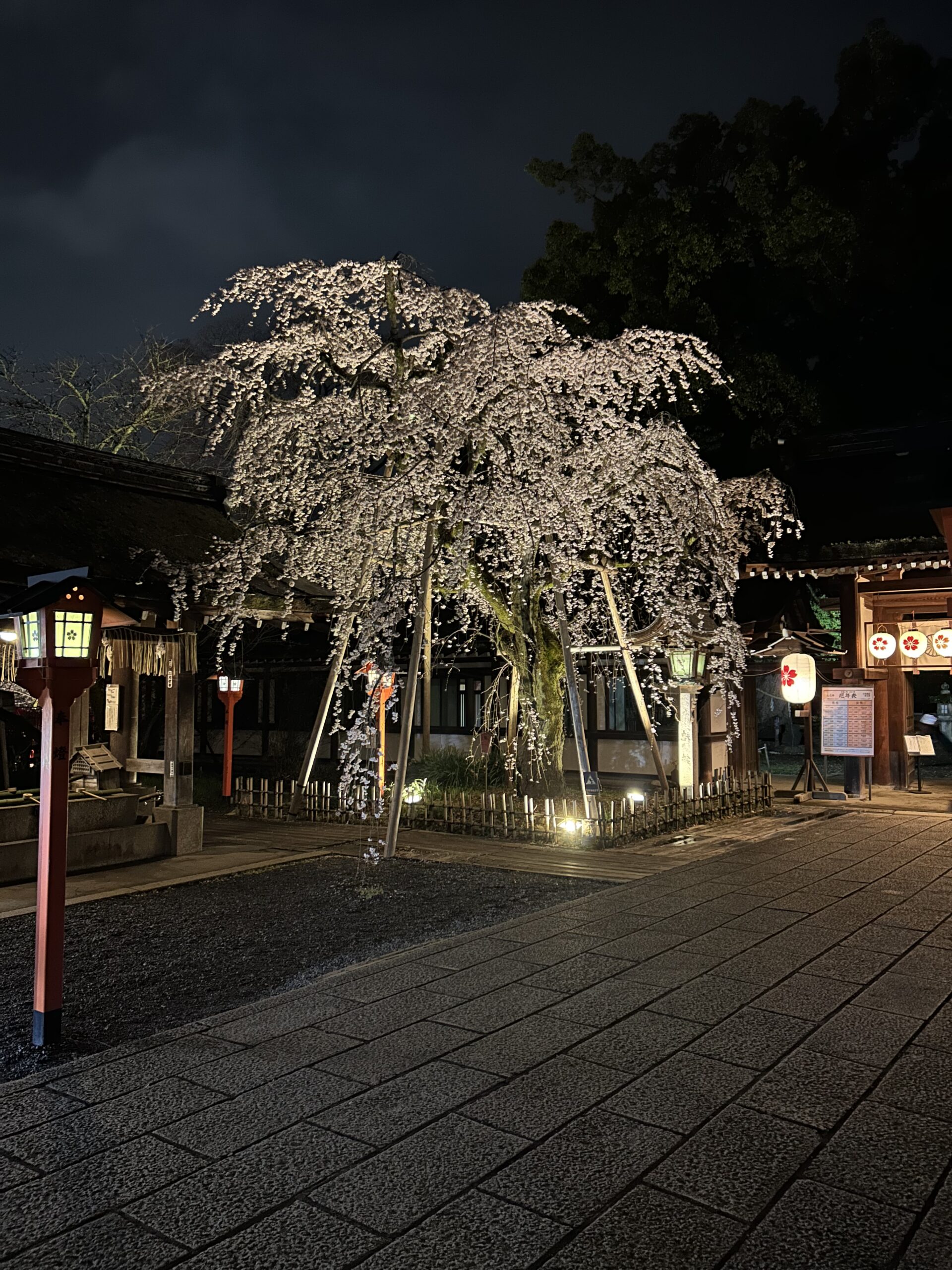
We travelled from 24 March to 5 April, inside cherry blossom season. The blossom was worth seeing, but it is the reason our hotel bill reached €2,631.93 for twelve nights, and the reason the queues were long. At Men-ya Inoichi, for example, we took a number, left for a couple of hours and queued again when we returned. Kyoto publishes a daily bloom tracker. If blossom is the reason for the trip, use it. Otherwise, we would choose a shoulder season and keep the difference.
Getting out
We flew from Tokyo to Shanghai, spent twelve hours there, and then took the overnight Shanghai–Frankfurt flight on a Lufthansa A350. It was not an Allegris cabin. This was another result of our staff-travel routing, so it is part of what happened rather than a route everyone should copy.
FAQ
Is the Japan Rail Pass worth it for Kyoto, Kanazawa and Tokyo?
No. Our JR tickets for the whole trip came to €346.76 for two people, against roughly €536 for two 7-day passes. A pass suits dense, back-and-forth travel from one base rather than a one-direction route.
What order should I do Kyoto, Kanazawa and Tokyo in?
West to east: Kyoto, then Kanazawa, then Tokyo. Nothing backtracks, and Tokyo lands last, once you have adjusted.
How many nights do I need in Kanazawa?
One or two. Two nights cover the gardens, the market and the tea districts without rushing. Stay longer only for the baths and the surrounding nature rather than the city sights.
How much does two weeks in Japan cost?
Our 12 nights came to €4,325.81 for two people, or about €180 per person per day, covering hotels, food, trains and everything else on the ground. That excludes international flights. Travelling outside cherry blossom season would cut the hotel share considerably.
Which eSIM should I use in Japan?
We used Holafly and had no problems: two 15-day unlimited eSIMs cost €93.80 for the pair. Unlimited is generous for Japan given how good the wifi is, so a smaller data plan would be cheaper if you want to optimise.
Can I use a Suica on my phone as a tourist?
Yes. You can create a Suica directly in Apple Wallet without a physical card, or use JR East’s Welcome Suica Mobile app. Whichever you choose, spend the balance before you leave: a standard Mobile Suica can only be refunded to a Japanese bank account, and a Welcome Suica Mobile balance cannot be refunded at all.
Can I fly into Nagoya instead of Osaka or Tokyo?
Yes. Nagoya is on the Tokaido Shinkansen and Kyoto is about 35 minutes away, so it can be a practical entry point into Kansai when Osaka fares are high or seats are unavailable.
Did the Kyoto to Kanazawa train change?
Yes. Since 16 March 2024, the journey has been a Thunderbird from Kyoto to Tsuruga plus a Hokuriku Shinkansen into Kanazawa, about two hours in total. Older guides may still describe the former direct train.
Browse all Japan guides on our Japan hub.
Some hotel links in this post are affiliate links. If you book through them we may earn a small commission at no extra cost to you. We only link to places we actually stayed, and the prices quoted are what we paid.