Kyoto is not a city I would rush into at 9 AM. The better mornings here start slower: rice and miso before a temple walk, coffee tucked behind a parking lot, or something sweet eaten standing up before the streets fully wake.
Breakfast in Kyoto is also a little different from what many visitors expect. Japan does not have the same brunch-out culture as London, New York or Melbourne. A traditional morning meal is usually quiet and savory: rice, miso soup, grilled fish, pickles and small side dishes. Kyoto adds another layer to that. You can still find a careful Japanese breakfast, but you can also build a morning around coffee, matcha, French toast or wagashi.
This guide is a shortlist, not an attempt to cover every cafe in the city. These are the Kyoto breakfast and coffee stops I would actually plan a morning around.
If this is part of a first Japan trip, pair it with my 5 Days in Kyoto itinerary.
Quick Picks
- Best traditional Japanese breakfast: Lorimer
- Best western-style breakfast: Kissa Kishin
- Best sweet morning stop: Totaro
- Best coffee-first stop: Weekenders Coffee
- Best Kyoto setting: Blue Bottle near Nanzen-ji
- Best coffee and small treat: Here Kyoto
- Expected cost: around ¥1,500-2,500 for most breakfast or coffee stops
- Best timing: 8-10 AM on weekdays, with Totaro better from 10 AM
How Breakfast Works in Kyoto
The strongest Kyoto mornings are not about finding the biggest breakfast. They are about choosing the right first stop for the kind of day ahead.
If you are heading into temples, gardens or older streets, a calm Japanese breakfast makes sense. If the day is built around walking, coffee can be enough. If you have already had several hotel breakfasts in a row, a small sweet stop or a proper cafe changes the rhythm.
I would not treat Kyoto breakfast as fuel only. The city is too atmospheric in the morning for that. Pick one place, let it set the pace, then start moving.
For a Full Breakfast
Lorimer
Lorimer is the place I would choose for a traditional Japanese breakfast in Kyoto.
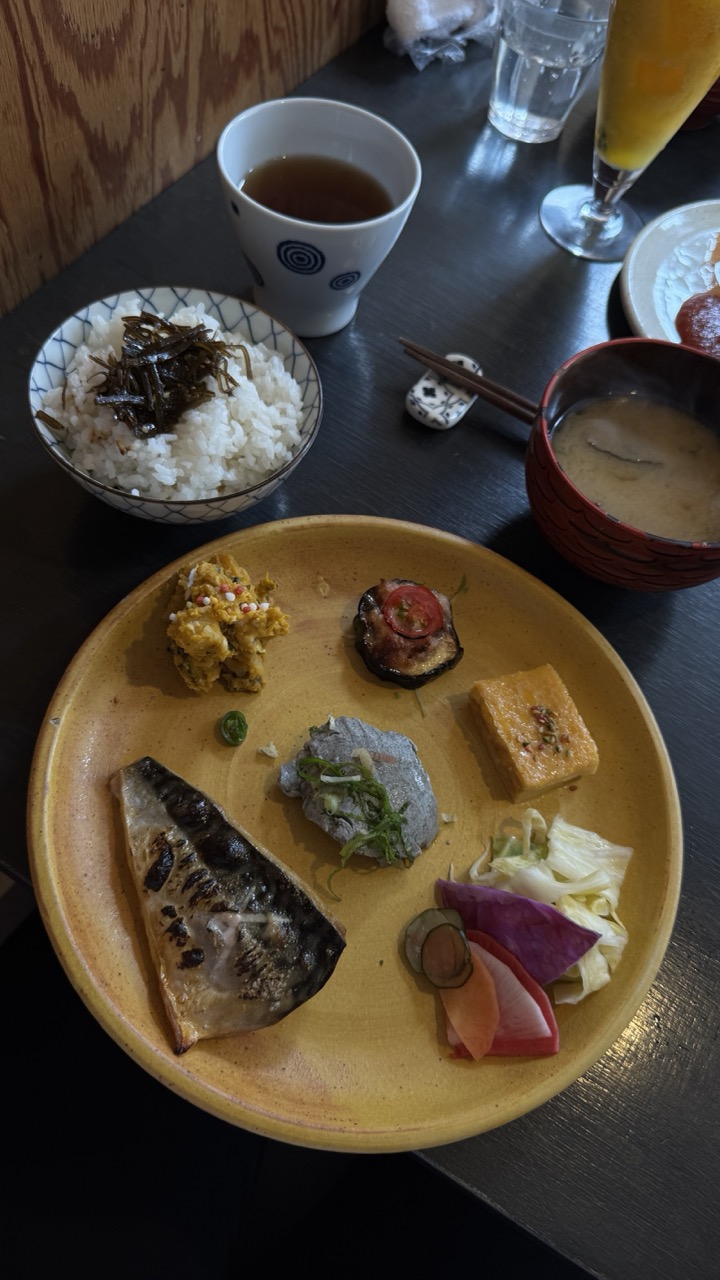
The room is calm and minimal, and the focus is narrow in the best way: ichiju sansai, the classic structure of rice, miso soup, fish and small side dishes. We chose the smaller version, which was enough for a proper start without making the morning feel heavy.
This is the best choice if you want Kyoto to feel quiet before it becomes busy. Go here before a temple day, not when you are trying to rush across town.
Kissa Kishin
Kissa Kishin is the western-style option I would keep on the list.
It is popular with international travelers, but it does not feel lazy or generic. The French toast and brioche were the reason to go, and the coffee was strong enough that it did not feel like an afterthought.
The location is a little outside the main city center, so I would not squeeze it into a tight morning. Take a bus or taxi, give it time, and use it when you actively want a slower sit-down breakfast rather than a quick coffee before sightseeing.
Totaro
Totaro is not breakfast in the usual sense, which is part of why it works.
It is a small sweet stop built around Japanese sweets and matcha: dango, wagashi and the kind of morning sugar that feels more Kyoto than pastry-case generic. It opens at 10 AM, and there is usually a small queue. There is no real seating, only standing tables, so this is not the place for a long breakfast.
Use Totaro when you want a short, specific stop rather than a full meal. It works especially well after an early walk, when the first round of sightseeing is already done and you want something small before lunch.


For Coffee Mornings
Weekenders Coffee
Weekenders Coffee is the coffee stop I would send serious coffee people to first.
It is famously hidden at the back of a parking lot, and that almost makes the coffee taste more focused. There is no big cafe theatre here. The point is the bean, the roast and the cup. Go for filter coffee, keep expectations simple, and let it be a short pause rather than a long cafe session.
% Arabica Kyoto
% Arabica is the obvious Kyoto coffee name, but obvious does not always mean wrong.
The locations are part of the appeal, especially Arashiyama by the river and Higashiyama near Yasaka Pagoda. The coffee is smooth and reliable, and the design is clean in a way that fits Kyoto more than it should. The trade-off is the queue. I would go early or treat it as a scenic stop rather than a quiet local secret.
Blue Bottle Coffee
Blue Bottle Coffee near Nanzen-ji works because of the setting.
The cafe sits in a renovated machiya with a courtyard, which makes it feel more grounded than a normal international coffee chain location. It is a good choice before or after time around Nanzen-ji, especially if you want a clean, calm coffee stop without needing a full breakfast.
Here Kyoto
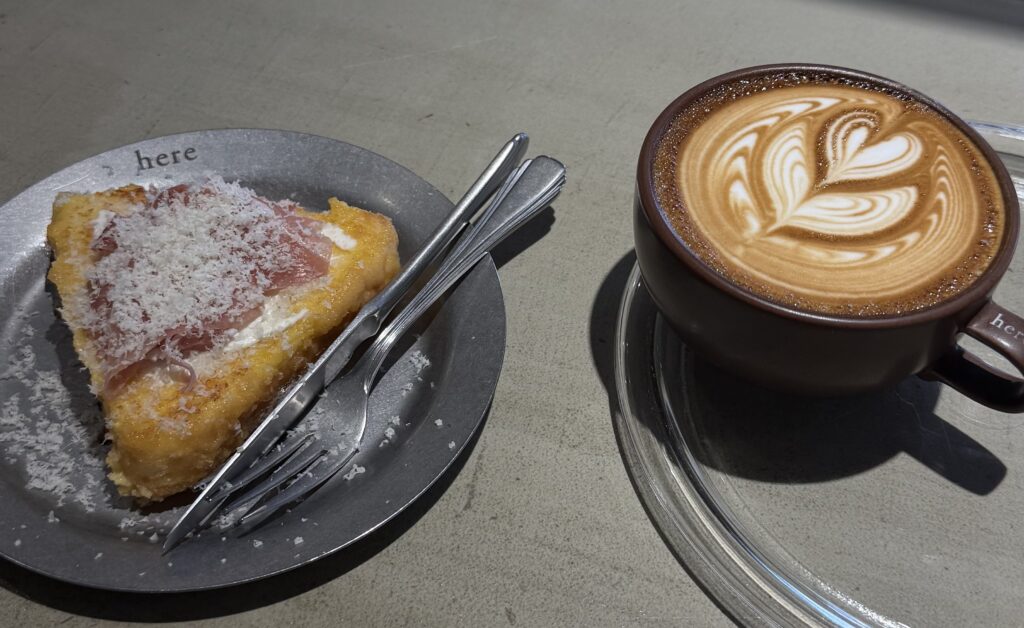
Here Kyoto is the coffee-and-treat option.
The signature cannele latte is the reason most people remember it, but the useful part is that it works as a small pause near Nishiki Market. It is not the most traditional Kyoto morning, and that is fine. Some days call for rice and miso. Some days call for coffee with a cannele on top.


How I Would Use These Spots
For a quiet Kyoto morning, start with Lorimer, then keep the rest of the day slow: temples, gardens, and no aggressive checklist.
For a coffee-first morning, go to Weekenders if the cup matters most, or Blue Bottle if the setting matters as much as the coffee.
For a sweet start, use Totaro as a short stop after an early walk. It opens later than a typical breakfast place, so do not build a 7 AM plan around it.
For a more western breakfast, choose Kissa Kishin on a morning when you are willing to travel a little and sit down properly.
For a scenic coffee stop, % Arabica still makes sense. Just do not expect it to be undiscovered.
What I Would Not Do
I would not chase too many breakfast places in one trip. Kyoto rewards repetition and quiet, not constant venue switching.
I would also avoid assuming every cafe opens early. Check the current hours before you leave, especially if you are planning around a temple morning or a train.
And I would not treat the most famous coffee shop as the automatic best choice. In Kyoto, the better question is: what kind of morning do you want?
Final Take
The best breakfast in Kyoto depends less on one perfect address and more on the mood of the day. Lorimer is the strongest traditional start. Kissa Kishin is the sit-down western option. Totaro is the sweet stop. Weekenders, % Arabica, Blue Bottle and Here cover the coffee side without turning the morning into a generic cafe crawl.
For a first visit, I would choose one Japanese breakfast, one coffee-focused morning and one small sweet stop. That gives Kyoto enough room to feel like itself.
For the wider route, continue with my 5 Days in Kyoto itinerary, then consider Kanazawa or Tokyo if you are building a longer Japan trip.
FAQ
Where should I eat a traditional Japanese breakfast in Kyoto?
Lorimer is the strongest choice from this list. It serves a calm ichiju sansai-style breakfast with rice, miso soup, fish and small side dishes.
Is Kyoto good for coffee?
Yes. Weekenders Coffee is the most focused coffee stop, % Arabica is the iconic Kyoto name, Blue Bottle has the best setting near Nanzen-ji, and Here Kyoto works well for coffee with a small treat.
What time should I go for breakfast in Kyoto?
Weekday mornings between 8 and 10 AM usually make the most sense. Totaro opens at 10 AM, so treat it as a later sweet stop rather than an early breakfast.
How much does breakfast in Kyoto cost?
For the places in this guide, a realistic range is around ¥1,500-2,500 depending on whether you are having a full breakfast, coffee or sweets.